

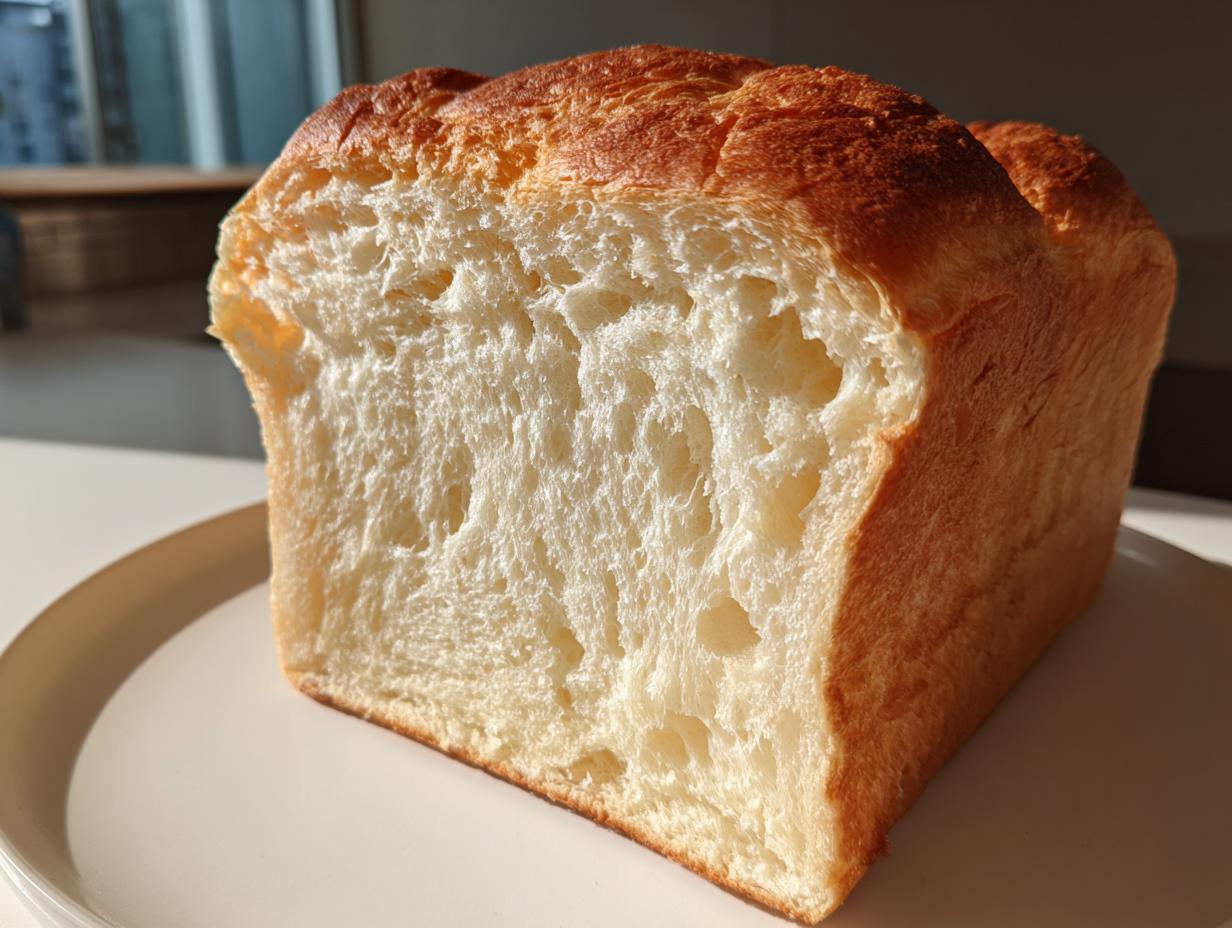
If you’ve ever walked into a Japanese bakery and wondered how they capture that impossibly soft, pillowy quality in their bread, I’m letting you in on the secret today! Baking the perfect milk bread isn’t about magic; it’s about technique. This recipe, yielding ultra-soft Japanese Shokupan, relies entirely on the incredible tangzhong method to trap moisture. Trust me, seeing my family tear into those steaming, cloud-like slices always reminds me why I fell in love with baking in the first place. It’s comfort, pure and simple, packaged in the fluffiest loaf imaginable.
- Why This Tangzhong Milk Bread Recipe Creates the Fluffiest Loaf
- Ingredients for Your Bakery Style Bread at Home
- How to Make Milk Bread From Scratch Using Tangzhong
- Shaping and Proofing Your Fluffy Loaf Recipe
- Tips for Success When Making Japanese Shokupan Recipe
- Serving Suggestions for Your Pillow Soft Bread
- Storage and Reheating Instructions for Milk Bread
- Frequently Asked Questions About This Sweet Breakfast Bread
- Nutritional Snapshot of Homemade Milk Bread
- Share Your Ultra-Soft Loaf Experience
Why This Tangzhong Milk Bread Recipe Creates the Fluffiest Loaf
We are doing things the right way here, and that means using the tangzhong method. Think of it like pre-cooking a tiny portion of your flour with milk until it gelatinizes. This little cooked paste, or water roux, is the powerhouse behind that ethereal texture people rave about in true Japanese milk bread. It holds onto moisture like crazy! Because the starches absorb so much liquid upfront, they never steal moisture from the main dough later on, which keeps this loaf supremely soft for days.
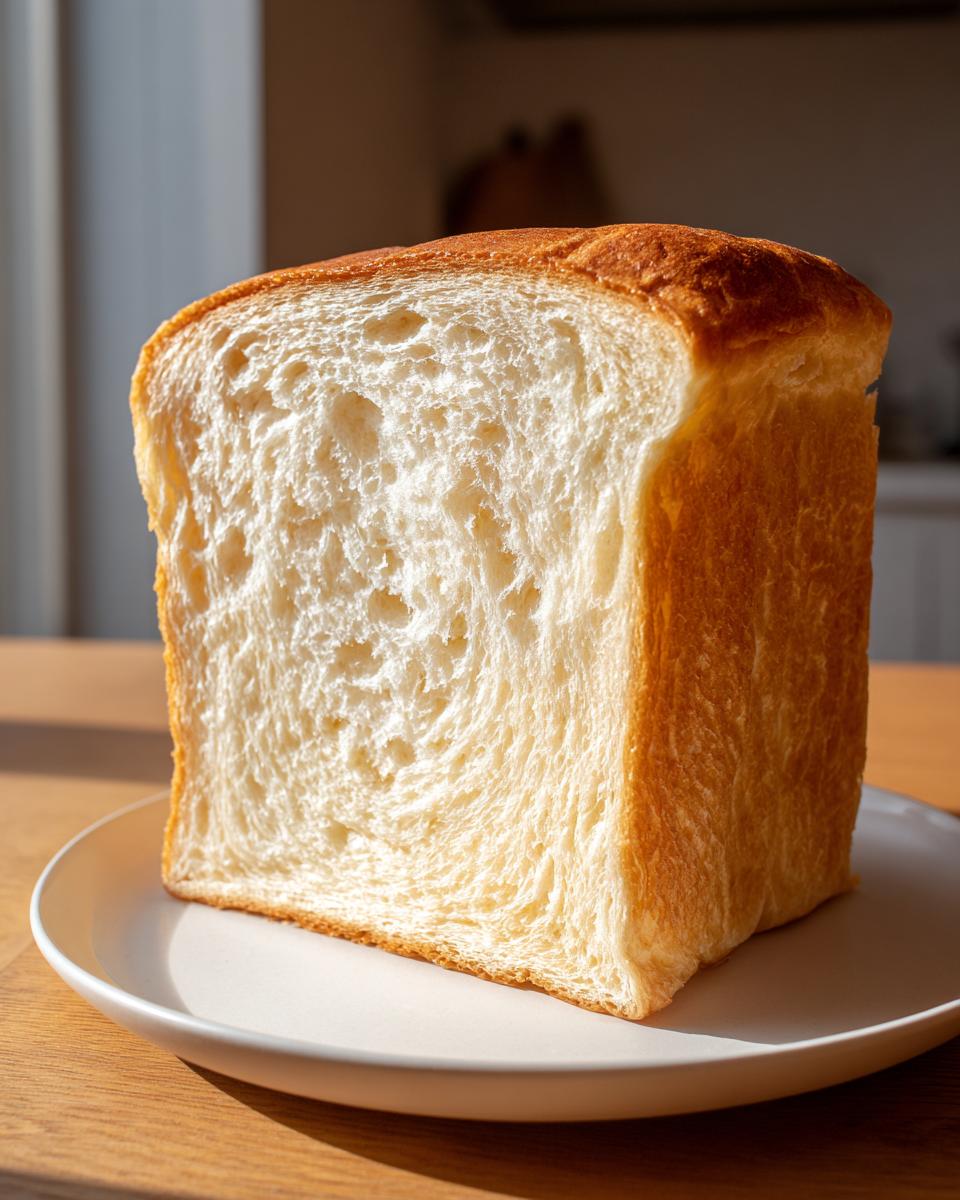
Plus, we are dealing with an enriched yeast dough here. That means we’ve added fats and sugars—butter, milk, and optional condensed milk—which tenderize the gluten structure as it develops. It’s this combination of high liquid retention from the roux and the softness provided by the enrichment that results in that wonderful, cloud-like result.
The Secret to Tender Crumb Bread Texture
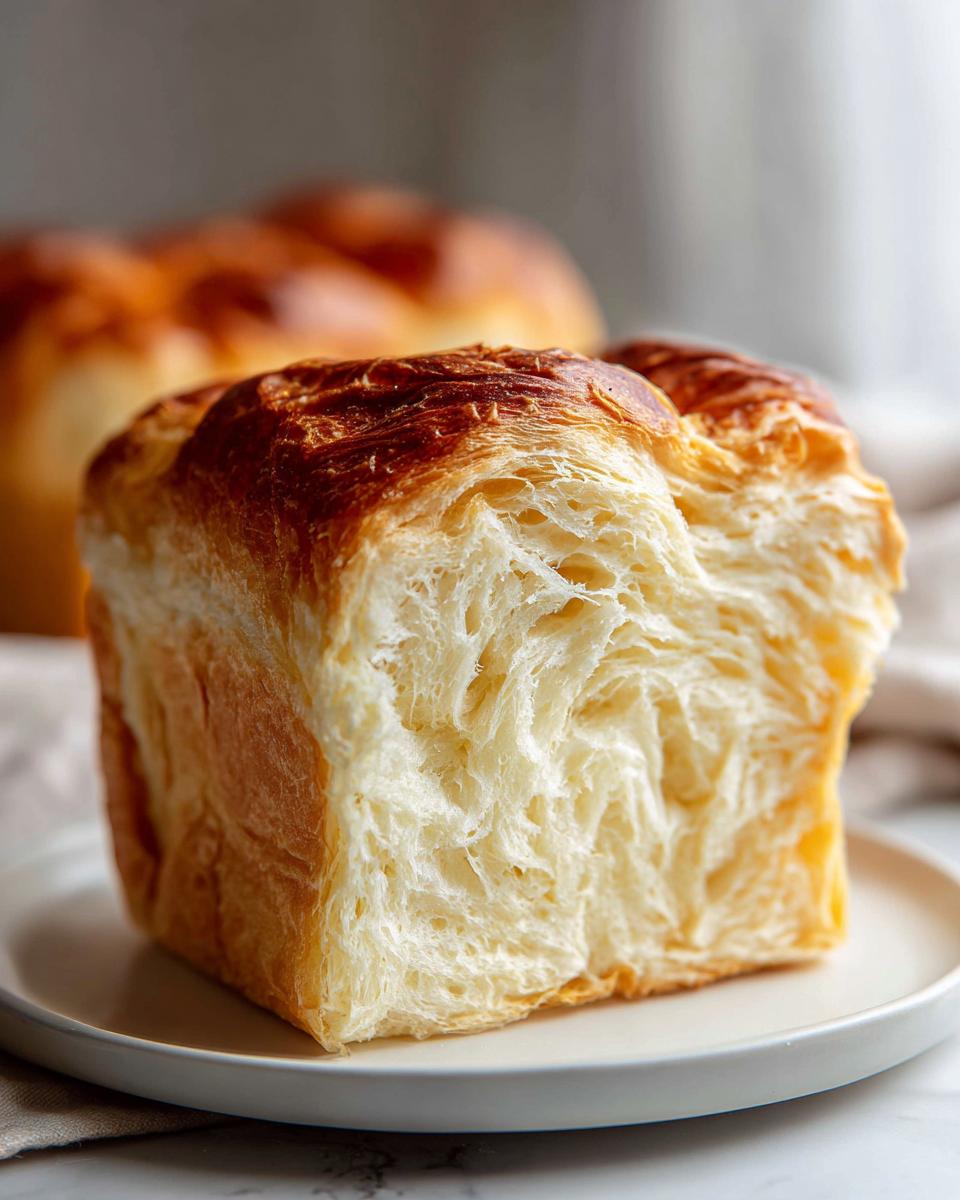
The tangzhong is really what separates this from your standard loaf. It ensures that every single cell in the finished bread is surrounded by that retained moisture. That’s why you get that beautiful, pull-apart quality—that true tender crumb bread experience. What’s truly fantastic is the shelf life; because the moisture is locked in so effectively, this bread stays fluffy long after other homemade loaves have gone hard. It’s a trick that feels professional but is truly an easy step!
Ingredients for Your Bakery Style Bread at Home
Gathering your supplies for this milk bread is half the fun. Because this recipe uses the tangzhong, we actually have two sets of flour and milk—a small amount for the paste and the main amount for the dough. We need bread flour, not all-purpose, to get that amazing structure that holds up to all the enrichment. You’ll see I listed sweetened condensed milk as optional, but wow, if you want a slightly sweeter, more luxurious flavor that really screams ‘bakery style bread at home,’ you should definitely include it!
Make sure your butter is truly soft—soft enough to easily smoosh with a finger but not melted—and your 60ml of milk for the main dough is cold. These small details really dictate whether you end up with a fluffy loaf recipe that sings or just a standard loaf.
Ingredient Notes and Substitutions for Milk Bread
I can’t stress this enough: for the best milk bread that achieves that incredible height and chew, you must use high-protein bread flour in the main dough. It handles the kneading better.
If you’re out of the sweetened condensed milk, don’t panic! You can swap that in with an extra tablespoon of granulated sugar, or even use evaporated milk instead of some of the regular milk in the main dough for a similar richness in your milk bread. It just changes the final sweetness level slightly!
How to Make Milk Bread From Scratch Using Tangzhong
Alright, settle in, because this is where the magic really happens. Making this milk bread requires a bit of patience, but trust me, the results are worth every minute. The instructions look long, but they flow really nicely once you get into the rhythm of the dough. Just keep an eye on your timing, especially with the rising and the oven preheating. I always tell my friends that the dough will feel different than what you might be used to—it’s richer, softer, and almost slick.
Mastering the Tangzhong Preparation
You absolutely cannot rush the tangzhong. Whisk your small amount of flour and milk right in that small saucepan until it’s perfectly smooth—no lumps allowed! Heat this gently over low heat, stirring constantly. You are waiting for it to dramatically thicken into a paste, like a very thick pudding. Once it hits that stage, pull it off immediately. Crucially, you must let the tangzhong cool down completely before adding it to your main dough mixture. If it’s warm, it will just melt your careful butter structure!
Kneading the Enriched Yeast Dough for Softest Homemade Bread
Once the cooled tangzhong is in the bowl with your dry ingredients, the egg, and the cold milk, let the mixer gently bring it together into a shaggy mass. Now comes the fun part: incorporating the butter! Add it slowly, one tablespoon at a time, waiting for that piece to fully vanish before you add the next. This is what turns it into that amazing enriched yeast dough we want for milk bread. Keep kneading until it passes the windowpane test. When you stretch a small piece thin enough to see light through it without tearing—that’s when you know you have achieved the softest homemade bread texture possible!
Shaping and Proofing Your Fluffy Loaf Recipe
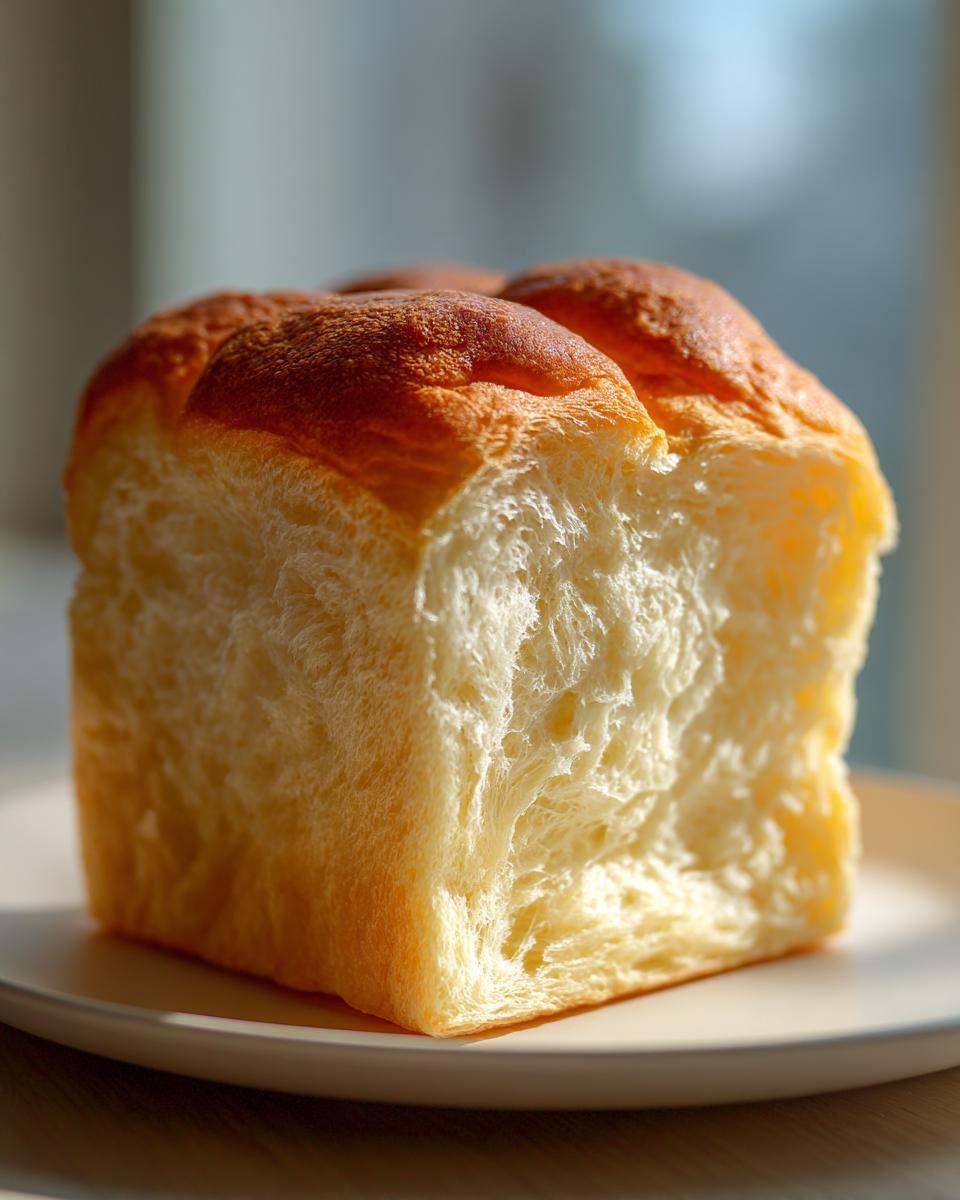
Don’t let the shaping process scare you away from this gorgeous milk bread! After the first rise, gently deflate the dough—no aggressive punching down allowed; we need to keep those air bubbles intact! Divide the dough into three equal portions. Roll each piece into a tight little ball, cover them up, and let them rest for about 15 minutes. This short rest lets the gluten relax, making the next part easier.
Next, gently roll those rested balls into logs. Place all three logs side-by-side, seam-side down, into your greased 9×5 inch loaf pan. They should look cozy in there! Now, cover it loosely for the second rise. You know it’s ready when the dough has swelled up and is just beginning to crest over the rim of the pan. That’s your cue to preheat the oven. This final proofing is what guarantees that beautiful height and uniform texture for your milk bread.
Tips for Success When Making Japanese Shokupan Recipe
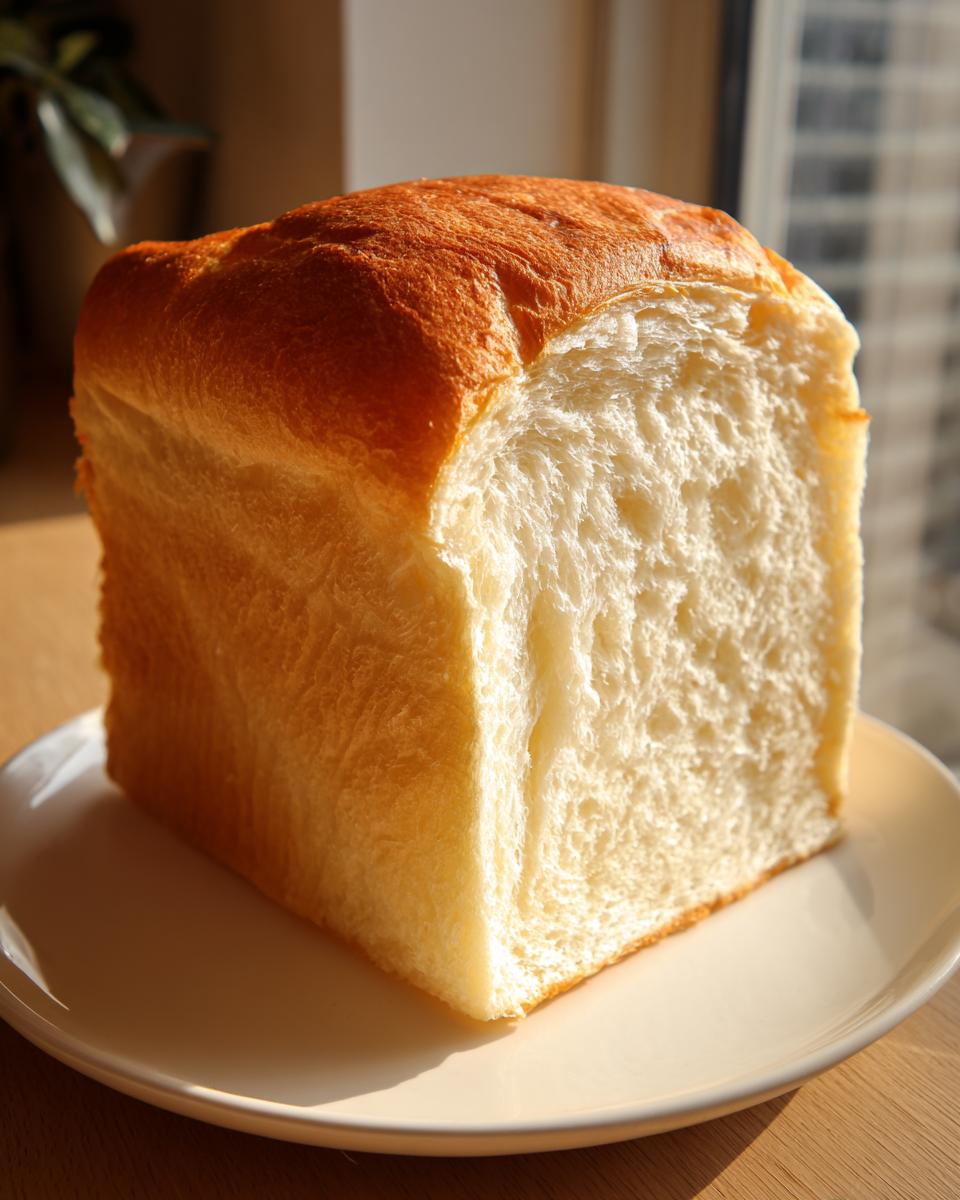
Even with this foolproof method, baking always benefits from a few insider tricks! When you’re ready to bake, I always make sure my oven is fully preheated to 350°F (175°C) during that last 15 minutes of the second rise. Temperature swings are the enemy of that gorgeous rise we worked so hard for. If you’re worried about oven accuracy, grab one of those cheap oven thermometers; it really helps guarantee success.
Here are a few of Izzy’s Expert Advice tips for guaranteed success in keeping that structure intact!
- Watch the Crust, Not Just the Timer: If the top is getting deep golden brown but the inside temperature isn’t quite there (aim for 190°F), lightly tent the loaf with aluminum foil. This stops burning while keeping the baking time consistent, just like when I’m making my creamy fluffy scrambled eggs and I use a lid to trap steam!
- The Cooling Rule is Non-Negotiable: I know it’s hard when the aroma is driving you crazy, but when you pull that loaf out, it must come straight out of the pan onto a wire rack! If you leave it in the hot pan, the trapped steam will make the bottom soggy, ruining that tender crumb.
- Patience Before Slicing: This is the toughest one. You absolutely have to let the loaf cool completely on the rack—at least two hours, sometimes more. Slicing it warm crushes the delicate structure we built with the tangzhong. Wait until cooled, and then get ready for incredible softness!
Serving Suggestions for Your Pillow Soft Bread
Now that you have achieved the unattainable—a truly fluffy loaf—how should you enjoy this magnificent milk bread? Honestly, the best way is warm, sliced thick, with just a smear of good salted butter melting right into the soft crumb. But this bread is versatile! It’s absolutely stellar when used for toast because it browns evenly without becoming stiff.
For lunch, this makes the softest sandwiches you’ve ever had—think delicate egg salad or ham and cheese where the bread doesn’t overpower the filling. If you want a real treat, use a day-old slice to make French toast (link to my favorite recipe here!), as its slight sweetness is a perfect base. This is true milk bread, ready for nearly any application!
Storage and Reheating Instructions for Milk Bread
Because we used the amazing tangzhong technique, this milk bread has a fantastic shelf life compared to other homemade loaves. That moisture retention is a serious benefit!
When you have leftovers—though I doubt you’ll have many!—you need to wrap the loaf tightly. I use plastic wrap first, getting it as snug as I can around the cooled loaf, and then I tuck that into a ziplock bag or an airtight container. Stored this way on the counter, your milk bread will happily stay soft for 3 to 4 days. Don’t even think about the fridge; the cold air will dry it out instantly!
If it does firm up slightly after day three, don’t toss it! Just slice off what you need and pop it into the toaster or warm it briefly in a 300°F oven for about five minutes. This little blast of warmth magically restores that wonderful, cloud-like springiness to your milk bread.
Frequently Asked Questions About This Sweet Breakfast Bread
Whenever I share this recipe, I always get the same few questions, which tells me you all are serious about achieving that perfect texture! Baking this sweet breakfast bread is straightforward, but those little details make all the difference.
Can I skip the tangzhong process entirely?
Oh, you technically *can*, but then you aren’t really making authentic Japanese Shokupan, are you? If you skip the tangzhong, you’ll end up with a standard, enriched loaf—think a very nice, slightly sweet brioche or simple white bread. It will still be good, but you lose that distinct, incredible moisture and that long shelf life that makes this recipe famous. For the best results, especially if you want that ‘pillow soft bread,’ I really encourage you to try the roux!
How long does this bread stay soft?
This is the best part about using the tangzhong! If you wrap it tightly (see my storage tips above!), you can expect it to stay wonderfully soft and fresh on the counter for a solid three to four days. Even my classic enriched yeast dough creations don’t usually last that long because the starch gel locks in the hydration so perfectly.
Can I use this dough for dinner rolls instead of a loaf?
Absolutely! That makes for the most amazing, tender rolls. Just after the second rise, break the dough into 12 or 16 equal portions instead of rolling three logs. Shape them into small balls, place them snugly in a greased pan, and proof them until puffy. They bake a bit faster than the loaf, so keep an eye out—they’re usually done around the 20-minute mark!
Is this recipe better than a standard brioche or evaporated milk bread recipe?
That’s like choosing a favorite child! Brioche has significantly more butter and eggs, making it richer and often slightly yellow; it’s delicious but less light. Our fluffy loaf recipe, thanks to the tangzhong, focuses more on lightness and that signature cloud-like chewiness, which is generally what people want when they ask for homemade milk bread.
Nutritional Snapshot of Homemade Milk Bread
I always want to give you an idea of what’s in the loaf, even though baking from scratch means the exact values shift based on your ingredients! These numbers are based on the recipe details provided, using one slice as the serving size for this wonderful milk bread.
- Serving Size: 1 slice
- Calories: 180
- Sugar: 8g
- Sodium: 150mg
- Fat: 5g
- Carbohydrates: 28g
- Protein: 5g
Please remember, these are estimates! If you skip the optional condensed milk or use skim milk instead of whole milk, your numbers will change. This is just a general guide for your milk bread!
Share Your Ultra-Soft Loaf Experience
I truly hope you felt that spark of accomplishment when you pulled that impossibly soft loaf out of the oven! That’s the joy, isn’t it? Now I need to hear all about it. Did your tangzhong turn into the perfect pudding? Did you achieve that windowpane test on the first try?
Please hop down to the comments below and leave a rating so others know how to achieve this spectacular texture. And if you took a picture of your gorgeous, pillow-soft creation, tag me on social media! I absolutely love seeing my recipes come to life in your kitchens. It always inspires my next bake, maybe even a creamy cheesecake next week!
PrintUltra-Soft Japanese Milk Bread (Shokupan)
Bake this cloud-soft, pillow-style Japanese Milk Bread using the tangzhong method for an incredibly tender crumb perfect for toast or sandwiches.
- Prep Time: 45 min
- Cook Time: 35 min
- Total Time: 2 hr 20 min
- Yield: 1 loaf 1x
- Category: Baking
- Method: Baking
- Cuisine: Japanese
- Diet: Vegetarian
Ingredients
- 60g Bread Flour (for tangzhong)
- 120ml Whole Milk (for tangzhong)
- 300g Bread Flour (for main dough)
- 50g Granulated Sugar
- 1 teaspoon Instant Dry Yeast
- 1/2 teaspoon Salt
- 1 Large Egg
- 60ml Whole Milk (cold)
- 40g Unsalted Butter (softened)
- 2 tablespoons Sweetened Condensed Milk (optional, for extra sweetness)
Instructions
- Prepare the Tangzhong: Whisk the 60g bread flour and 120ml milk in a small saucepan until smooth. Cook over low heat, stirring constantly, until the mixture thickens to a paste (about 170°F or 77°C). It should resemble thick pudding. Remove from heat, cover the surface with plastic wrap to prevent a skin from forming, and let it cool completely.
- Mix Dry Ingredients: In a large bowl or stand mixer, combine the 300g bread flour, sugar, yeast, and salt. Mix briefly.
- Combine Wet Ingredients: Add the cooled tangzhong, one large egg, 60ml cold milk, and the condensed milk (if using) to the dry ingredients. Mix on low speed until a shaggy dough forms.
- Knead: Increase the mixer speed to medium-low and knead for 5-7 minutes until the dough starts to come together. Add the softened butter, one tablespoon at a time, allowing each piece to incorporate before adding the next.
- Develop Gluten: Continue kneading for another 10-15 minutes until the dough is smooth, elastic, and passes the windowpane test. This enriched yeast dough requires thorough kneading for the best texture.
- First Rise: Place the dough in a lightly oiled bowl, cover, and let it rise in a warm place until doubled in size, about 1 to 1.5 hours.
- Shape the Loaf: Gently deflate the dough. Divide it into three equal pieces. Roll each piece into a tight ball. Let the balls rest for 15 minutes, covered. Then, roll each ball into a log shape. Place the three logs side-by-side in a greased 9×5 inch loaf pan, seam-side down.
- Second Rise: Cover the pan loosely and let the dough rise again until it has nearly doubled and crests over the top of the pan, about 45-60 minutes. Preheat your oven to 350°F (175°C) during the last 15 minutes of the rise.
- Bake: Bake for 30-35 minutes, or until the top is golden brown and the internal temperature reaches 190°F (88°C). If the top browns too quickly, lightly tent it with foil.
- Cool: Immediately remove the loaf from the pan and cool completely on a wire rack before slicing to preserve the ultra-soft texture.
Notes
- For the softest homemade bread, use high-protein bread flour.
- This recipe makes a bakery style bread at home that stays fresh longer due to the tangzhong.
- For a richer flavor, substitute a portion of the milk with evaporated milk.
Nutrition
- Serving Size: 1 slice
- Calories: 180
- Sugar: 8g
- Sodium: 150mg
- Fat: 5g
- Saturated Fat: 3g
- Unsaturated Fat: 2g
- Trans Fat: 0g
- Carbohydrates: 28g
- Fiber: 1g
- Protein: 5g
- Cholesterol: 25mg