

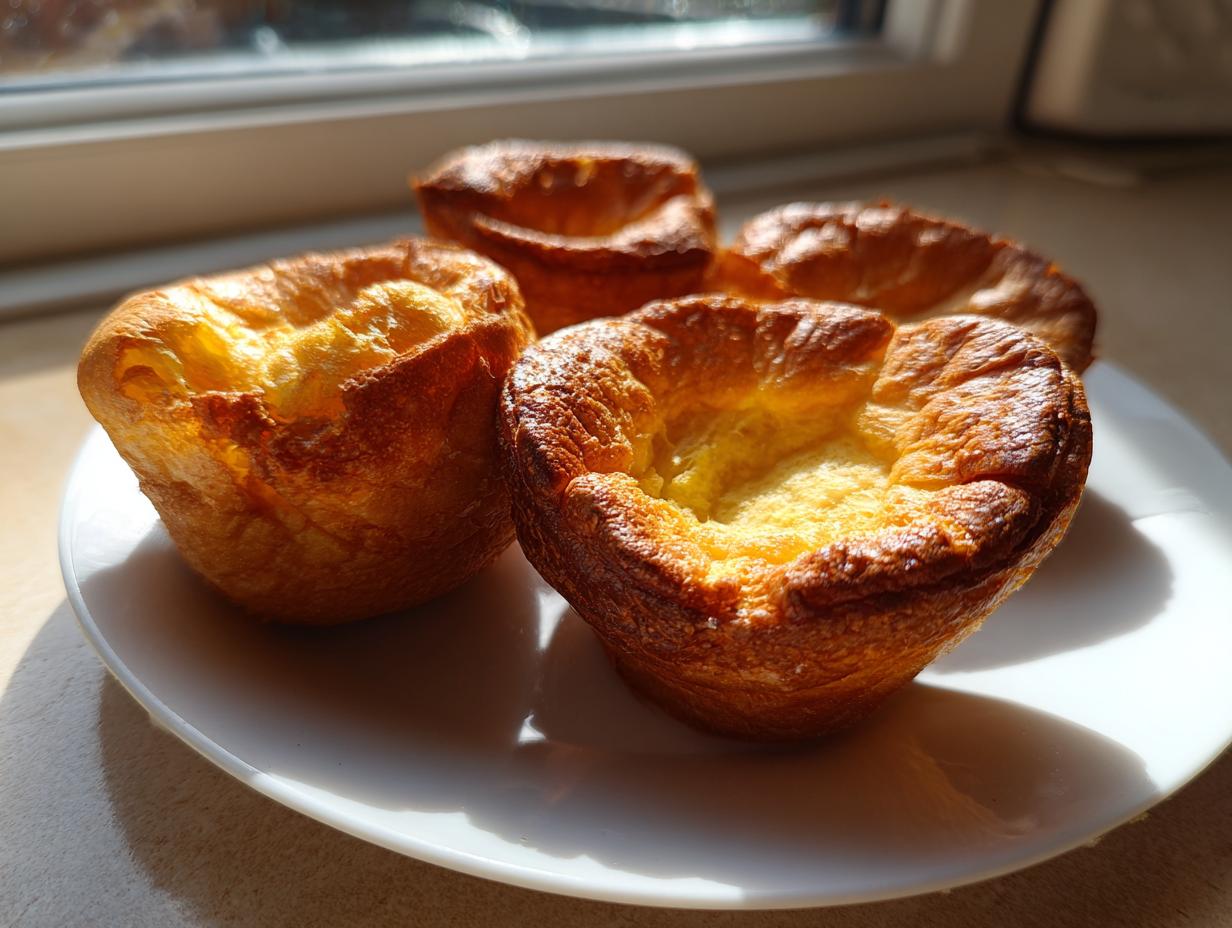
Oh, the sheer magic of watching a Yorkshire pudding climb heavenward in the oven! It’s truly one of the greatest accomplishments in home baking, isn’t it? If you’ve ever suffered the shame of a flat, greasy puddle instead of a towering dream, you’re in the right place. I promise you, making a genuinely perfect, **Yorkshire pudding**—crispy and golden on the outside, ridiculously light and airy inside—isn’t luck. It’s science, paired with my tried-and-true method. This isn’t just a recipe; it’s the secret weapon you need for every single Sunday roast from here on out. Forget the fancy celebrity versions; this simple technique ensures a magnificent rise every single time, making it the ultimate **Traditional British Side Dish**!
- Why This is the Best Yorkshire Pudding Recipe for Your Sunday Roast
- Essential Ingredients for Perfect Yorkshire Pudding
- How to Make Yorkshire Puddings: Step-by-Step Instructions
- Tips and Tricks for Foolproof Yorkshire Puddings
- Serving Suggestions for Your Traditional British Side Dish
- Variations: Beyond the Classic Yorkshire Pudding
- Storage and Reheating Yorkshire Puddings
- Frequently Asked Questions About Yorkshire Pudding
- Estimated Nutritional Data for Yorkshire Pudding
Why This is the Best Yorkshire Pudding Recipe for Your Sunday Roast
I’ve tried every method out there, trust me. What makes this the Best Yorkshire Pudding recipe is that it focuses on two absolute non-negotiables: temperature and timing. We rely on brutal heat, which shocks the batter into puffing up immediately. But just as important is resting the batter; this simple step is what separates my tall, Foolproof Yorkshire Puddings from those sad little pancakes you sometimes see.
Instead of chasing complicated ratios, focusing on the temperature of the fat ensures reliability. Once you nail that initial blast of heat, you’ve got a guaranteed rise that stays put. It’s the traditional way, and honestly, it yields the best texture.

The Science Behind Fluffy Yorkshire Puddings
It all comes down to steam, folks! When that cool, thin batter hits fat that’s screaming hot—we’re talking smoking hot—the water content instantly turns to steam. This steam has nowhere to go but up, forcing the pudding to balloon dramatically. If the fat isn’t hot enough, the batter just sits there getting greasy instead of instantly setting the outside structure. That structure is what keeps them holding their gorgeous, hollow shape!
If you’re looking for other incredibly reliable roast dinner classics that pair well with these, you absolutely must check out my recipe for classic Shepherd’s Pie. It shares that same commitment to comfort and perfection!
Essential Ingredients for Perfect Yorkshire Pudding
The beauty of the Yorkshire Pudding Recipe is that it relies on kitchen staples! You likely have everything needed right now. We need just four core things: flour, milk, eggs, and salt. The full list calls for 1 cup of all-purpose flour (sifted, please!), 1 cup of whole milk, 2 large eggs, and just a touch of salt. But hold on; the real MVP here is the fat you use in the tin.
For true, traditional flavor, nothing beats beef dripping. Seriously, if you can get your hands on some from roasting a joint of beef, use it! It provides that signature savory depth.
Ingredient Notes and Substitutions
If you can’t swing the beef dripping—or if you’re sticking to vegetarian options—a neutral, high-smoke point vegetable oil works just fine. Don’t sweat the milk too much; whole milk is best for richness, but 2% works in a pinch. Remember, this is incredibly cost-effective! You’re making about a dozen beautiful side dishes for pennies. This recipe shows that amazing results don’t require expensive ingredients, just the right handling of basic pantry fare.
How to Make Yorkshire Puddings: Step-by-Step Instructions
Alright, let’s dive into the process of How to make Yorkshire Puddings! This is where patience pays off. Get your muffin tin ready, or if you’re feeling ambitious, grab a roasting tin for one giant pudding. We’re using the classic method that yields the Easy Yorkshire Pudding Batter you need.
First, you put that tin into the oven and crank the heat up to 450°F (230°C). You need to add about a teaspoon of our chosen fat—beef dripping is king—into each hole. This is crucial! While that’s heating up, sift your flour and salt into a bowl. Make a little dip, crack in those two eggs, and start whisking them gently. Then, very slowly, pour in that cold milk while you keep whisking. You want a thin batter, almost like very watered-down pancake mix. Don’t worry if you have a few tiny lumps; I usually find that a few little lumps mean you haven’t been too aggressive with the mixing, which is good!
Preparing the Hot Fat: The Key to a Great Yorkshire Pudding
This step is non-negotiable, folks! You cannot rush the heat. The fat *must* be smoking hot when the batter hits it. I mean truly smoking, almost worrying about it—that’s how you know it’s ready. If it’s just warm, the batter will sink and absorb the fat instead of instantly bubbling up. Keep an eye on the oven thermometer if you have one, but mostly, trust your senses. When you pull that tin out to pour, you should see wisps of smoke rising immediately; that’s the signal of success!
Resting the Batter for Crispy Yorkshire Puddings
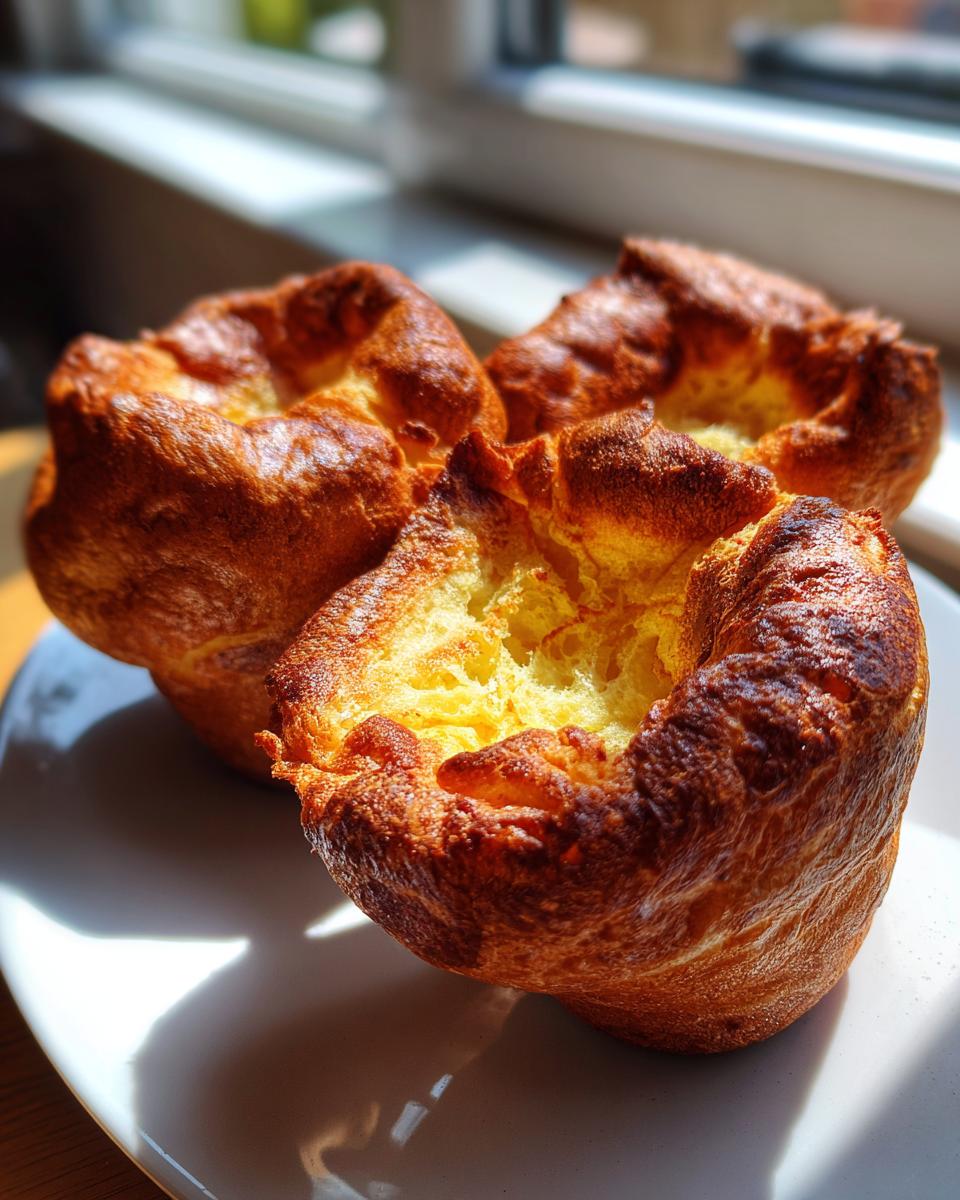
My biggest tip for those shatteringly Crispy Yorkshire Puddings is this resting time. After you’ve whisked your Easy Yorkshire Pudding Batter, cover it up and leave it alone for at least 30 minutes at room temperature. Honestly, two hours is even better! When the gluten in the flour relaxes during this rest, the pudding can expand higher rather than fighting against itself. A relaxed batter equals an extra-puffy pudding. If you forget, don’t panic, but try to give it at least 15 minutes before you rush to work with that screaming hot fat.
Once the fat is ready and the batter has rested, pour quickly, get it back in the oven right away, and whatever you do—don’t open the door for at least 15 minutes! If you want more simple, delicious recipes for weeknights, check out my guide to easy weeknight dinners for some inspiration.
Tips and Tricks for Foolproof Yorkshire Puddings
You’ve got the recipe and you know the heat is essential, but let me give you the final set of Yorkshire Pudding Tips and Tricks that I swear by. The absolute golden rule, the one that causes most home cooks to fail, is this: once the batter goes into that hot tin, you cannot open the oven door for the first 15 minutes! Seriously, resist that urge. Peeking lets out all that trapped, super-heated steam we just worked so hard to generate, and poof, your beautiful rise collapses into a sad, flat disk.
Temperature maintenance is everything. Make sure your oven holds its heat. If you’re using a standard 12-hole muffin tin for Individual Yorkshire Puddings, you might need slightly less cooking time, but the 15-minute standoff rule still applies. Also, remember that cold batter hitting hot fat is what you want—never let your batter sit out for too long once it’s mixed, even though resting is good; we want it as cool as possible when it finally meets that searing fat.
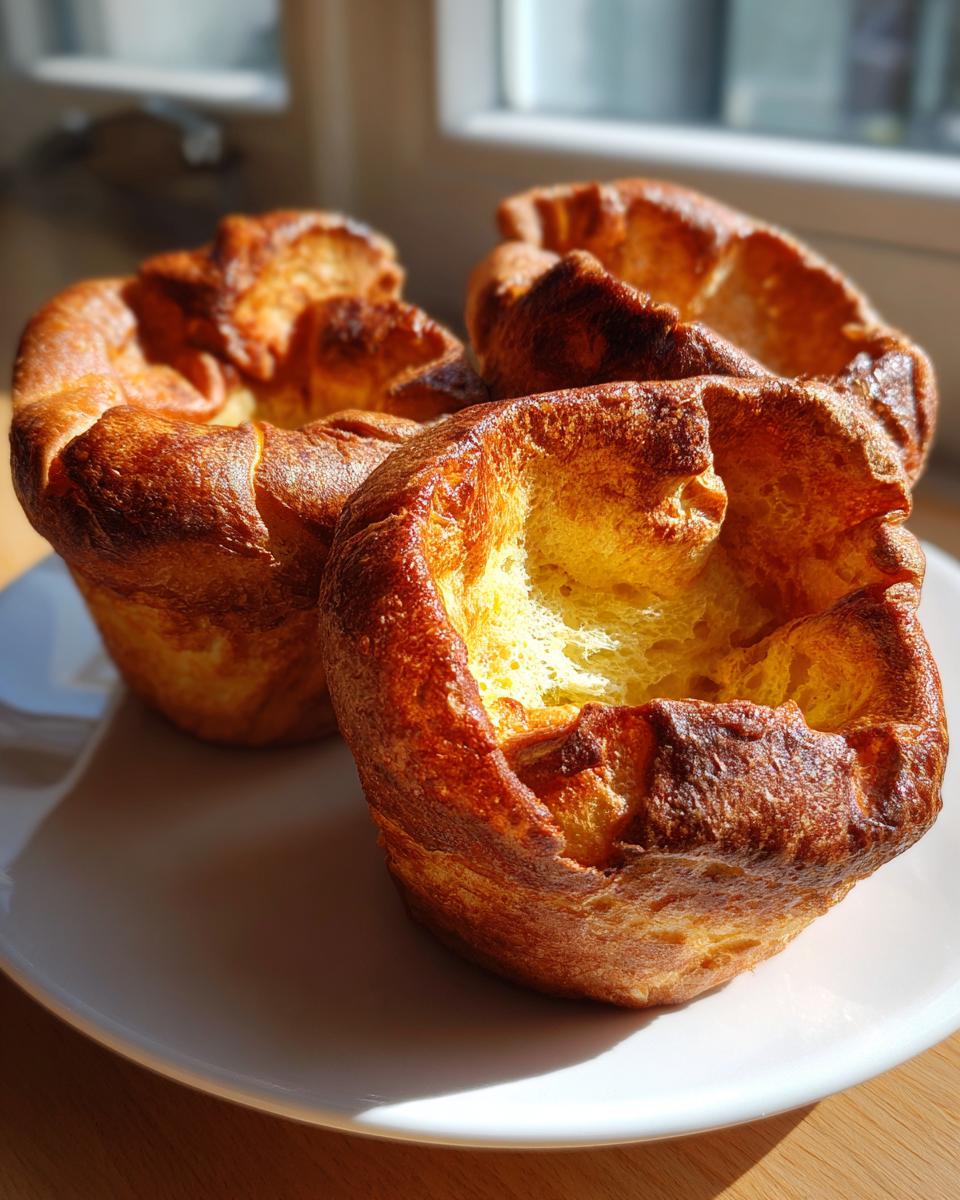
For an extra savory touch that pairs perfectly with my Garlic Parmesan Mashed Potatoes, try adding a tiny pinch of dried thyme to your batter along with the salt. It really brings out that incredible, rustic flavor profile we love in a proper roast accompaniment!
Serving Suggestions for Your Traditional British Side Dish
What’s the point of mastering the perfect golden mound if you don’t have the right mains to go with it? These are, first and foremost, the quintessential Traditional British Side Dish for a magnificent Sunday roast. Seriously, nothing quite hits the spot like a platter of these beauties next to a perfectly carved joint of roast beef. That’s the way my family always did it, and when those puddings are hot, they are begging for gravy!
I live for the moment I pull the tin out, and the smell of hot, slightly savory pastry fills the kitchen. You have to serve them immediately! Load them high with Yorkshire pudding, roast potatoes, perfectly steamed greens, and then drown the whole plate in rich onion gravy. If you’re looking for ways to change up the main event, you have to try this brilliant Carne Asada marinade sometime—though these puddings are traditionally best with beef, they are versatile!
Variations: Beyond the Classic Yorkshire Pudding
While I am a huge traditionalist when it comes to the classic four ingredients, I totally get that sometimes we need to adjust things for dietary needs or just for fun! You don’t necessarily have to stick to the standard recipe if you’re cooking for a crowd with different needs. People often ask me about variations, and I have a few quick thoughts.
For those who need an option for Gluten Free Yorkshire Pudding, the good news is that you absolutely can make a great version! The technique—super hot fat, cold thin batter, proper resting—still applies. You just swap the all-purpose flour for a high-quality gluten-free blend. I haven’t fully tested my own GF ratios yet, but I suggest sticking to just a half-cup of GF blend to 1 cup of milk initially, as GF flours can absorb liquid differently.
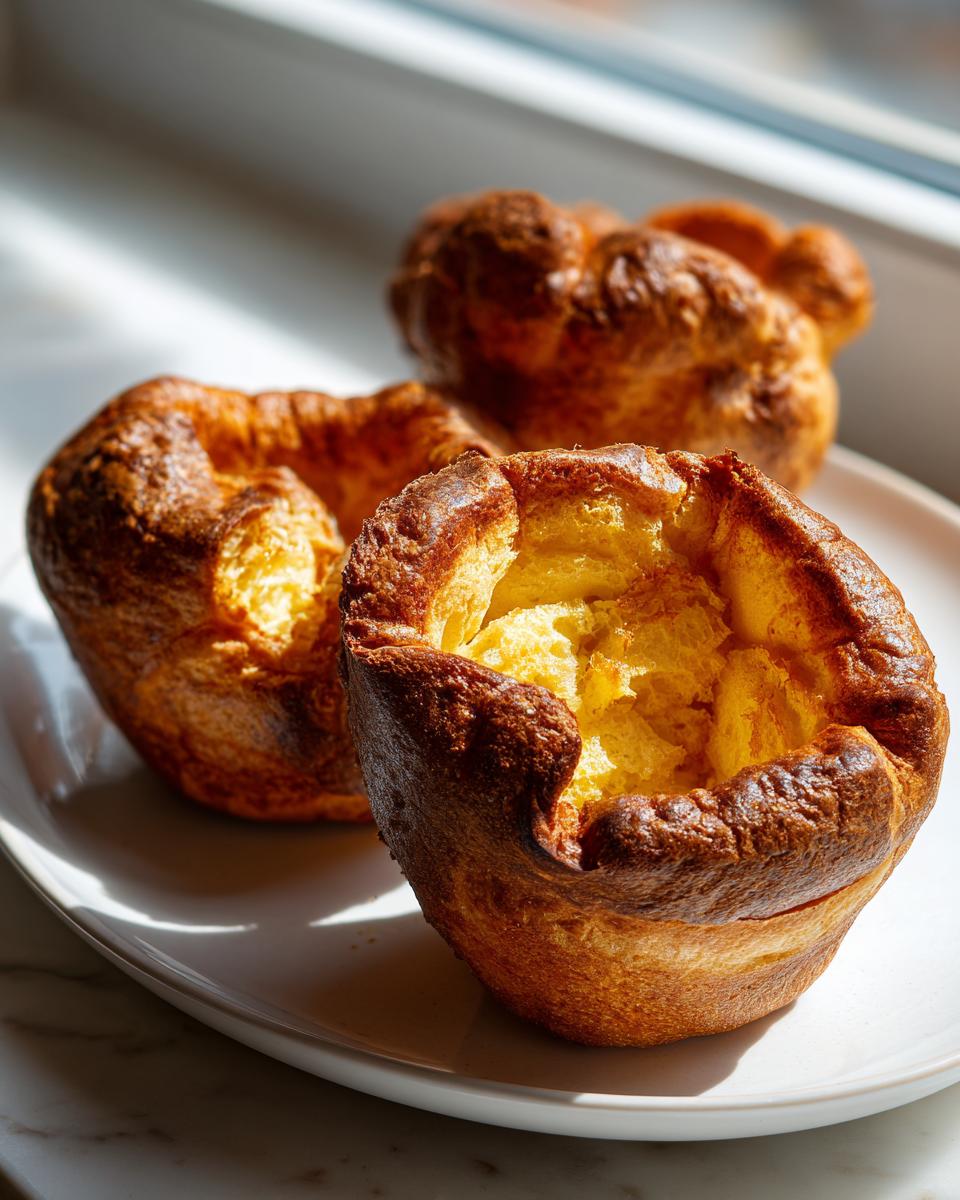
Also, don’t be afraid of savory additions! While the classic is plain, I love stirring in maybe a teaspoon of dried thyme or some freshly chopped chives right into the batter before resting. They turn into gorgeous, herby clouds that are divine next to chicken or pork. If you’ve enjoyed my tips for making zucchini fritters, you know I love adding fresh veggies to things, and herbs in your Yorkshire batter is a simple way to amp up the flavor profile!
Storage and Reheating Yorkshire Puddings
If by some miracle you have leftover Yorkshire puddings—which rarely happens at my house, they vanish so fast!—you need to store them correctly. Do not leave them sitting out on the counter. Pop them straight into an airtight container once they are completely cool. They’ll keep nicely in the fridge for maybe two days, max.
Now, when it comes to reheating, please, for the love of crispy goodness, put away that microwave! Microwaves make Yorkshire puddings rubbery. The only way to get back that satisfying crunch is to reheat them in a hot oven—about 375°F (190°C) for 5 to 8 minutes. You want them piping hot and totally crisp again before you bring them back to the table for seconds!
Frequently Asked Questions About Yorkshire Pudding
I know you might still have a few little niggles after reading about the hot fat and resting the batter. Don’t worry! It’s totally normal with this specific British classic. Here are the answers to the questions I get asked most often about achieving those tall, Fluffy Yorkshire Puddings.
Can I use cold batter straight from the fridge?
You absolutely can, and in fact, I actually prefer it! Remember how I stressed resting the batter? If you rest it overnight in the fridge, that’s perfect. The moment you pour that cold batter into the smoking hot fat, you get a huge, dramatic steam reaction. The absolute key is that the *fat* must be hot, not that the batter has to be room temperature. Cold batter hitting sizzling fat is the secret to minimizing the chance of a collapse!
Why did my Yorkshire pudding collapse after rising?
Nine times out of ten, a collapse happens because you’ve let the oven temperature drop too soon. Did you open the door before the 15-minute mark? That’s usually the culprit! The steam structure sets around the 12-minute mark, but opening the door lets cold air rush in, dropping the temperature enough that the structure can’t support itself anymore, and they fall. Be disciplined and keep that door shut tight!
Is beef dripping necessary for the Best Yorkshire Pudding?
For the absolute Best Yorkshire Pudding experience, yes, dripping is superior! It has a higher smoke point than butter and imparts a depth of flavor that really screams “Sunday roast.” But look, if you’re making these as a quick side dish for weeknights, a neutral oil like canola or sunflower oil works perfectly well for the rise. It’s just a tiny flavor sacrifice, but you still get that amazing shape. If you’re serving these alongside something truly special, like my amazing homemade guacamole (okay, maybe not traditional, but delicious!), you want the full flavor profile!
Estimated Nutritional Data for Yorkshire Pudding
I know sometimes we want to track what we’re eating, even when we’re indulging in proper British comfort food! Since every home cook knows ingredients vary—especially how much fat your pan ends up absorbing—these are just estimates based on the standard ingredients list for one individual pudding.
Please remember these figures are approximations only, but they give you a good baseline! They don’t account for the gravy you’re going to pour all over them, though, do they? That’s a separate category entirely!
- Serving Size: 1 pudding
- Calories: approximately 110
- Total Fat: about 6g
- Carbohydrates: around 10g
- Protein: roughly 4g
This recipe is surprisingly efficient, using very basic pantry items which keeps the overall cost down. Plus, because they puff up so much, you get a huge, satisfying bite for relatively few calories considering the sheer volume!
PrintThe Perfect Foolproof Yorkshire Pudding: Crispy Outside, Fluffy Inside

Make light, airy, and perfectly crisp Yorkshire puddings every time. This classic British side dish is simple to prepare and ideal for soaking up gravy from your Sunday roast.
- Prep Time: 10 min
- Cook Time: 25 min
- Total Time: 35 min
- Yield: 12 small puddings 1x
- Category: Side Dish
- Method: Baking
- Cuisine: British
- Diet: Vegetarian
Ingredients
- 1 cup all-purpose flour
- 1 cup whole milk
- 2 large eggs
- 1/2 teaspoon salt
- 4 tablespoons beef dripping or vegetable oil (for the tin)
Instructions
- Place a 12-hole muffin tin or a roasting tin into the oven. Add about 1 teaspoon of beef dripping or oil into each cup. Preheat the oven to 450°F (230°C). The fat must be smoking hot before you add the batter.
- While the fat heats, prepare the batter. Sift the flour and salt into a large bowl. Make a well in the center.
- Crack the eggs into the well. Begin whisking the eggs, gradually incorporating the flour from the sides.
- Slowly pour in the milk while continuously whisking until you have a smooth, thin batter, similar in consistency to thin cream. Do not overmix; a few small lumps are acceptable.
- Let the batter rest at room temperature for at least 30 minutes, or chill it for several hours for best results.
- Carefully remove the hot tin from the oven. Work quickly to avoid losing heat.
- Pour the batter evenly into the hot fat, filling each cup about one-third full.
- Immediately return the tin to the hot oven. Do not open the oven door for the first 15 minutes of cooking.
- Bake for 20 to 25 minutes, or until the puddings are well-risen, golden brown, and crisp. Serve immediately with your roast dinner and gravy.
Notes
- The secret to a high rise is ensuring your fat is smoking hot before the batter goes in.
- Chilling the batter for an hour or more helps the gluten relax, leading to a lighter texture.
- For individual Yorkshire puddings, use a 12-hole muffin tin. For a large pudding, use a standard roasting tin.
- This recipe uses simple pantry ingredients, making it a cost-effective side dish for your Sunday roast.
Nutrition
- Serving Size: 1 pudding
- Calories: 110
- Sugar: 1
- Sodium: 150
- Fat: 6
- Saturated Fat: 2
- Unsaturated Fat: 4
- Trans Fat: 0
- Carbohydrates: 10
- Fiber: 0
- Protein: 4
- Cholesterol: 55