

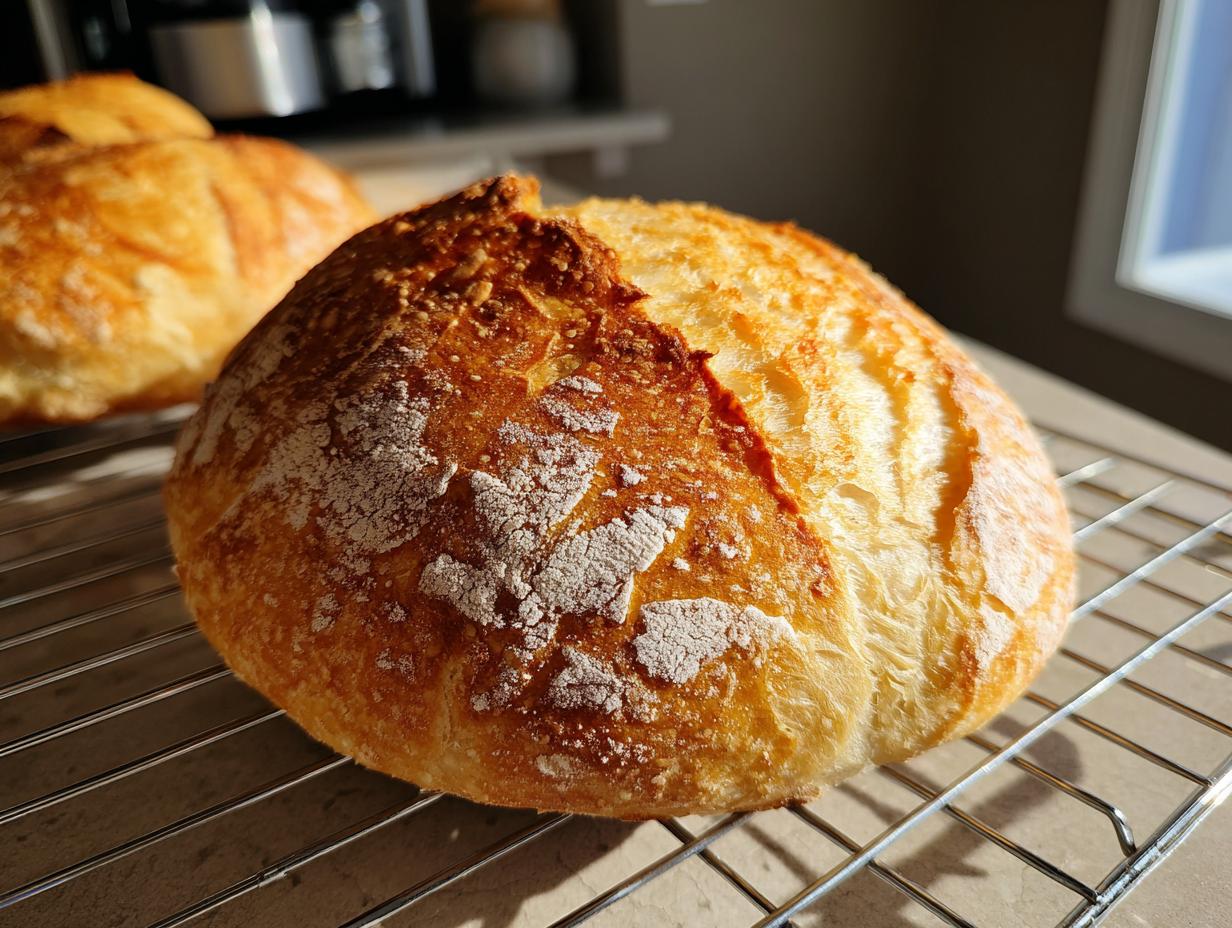
Oh, friends, you need to know this feeling! There is just nothing—and I mean *nothing*—like pulling a truly perfect loaf of bread from your own oven. That warm, yeasty, comforting smell that takes over your whole house? It’s instant happiness, isn’t it? For years, I thought making beautiful, bakery-style french bread meant hours of complicated steps and specialized equipment, but I promise you, that isn’t true anymore. I’m Isabella, and my mission here is to take those classic techniques that seem intimidating—like getting that shatteringly crisp crust—and break them down. This recipe is my answer for busy folks who want stunning results. We’re talking a classic, crusty french bread loaf that’s soft and fluffy inside, and it’s ready for your dinner table in under two hours. Seriously, it’s a game-changer for even the most nervous beginner baker. If you love great bread but don’t have all afternoon, you’ll find this recipe perfect for pairing with our easy weeknight dinners recipes!
- Why This Easy Bread Recipe Delivers Bakery-Style french bread
- Gathering Ingredients for Your Homemade French Bread
- Step-by-Step Instructions to Make Quick french bread
- Tips for Success When Making Artisan Bread at Home
- Serving Suggestions for Your Classic French Loaf
- Storage and Reheating Instructions for french bread
- Frequently Asked Questions About Beginner Bread Baking
- Estimated Nutritional Data for Homemade Loaf
- Share Your Homemade french bread Creations
Why This Easy Bread Recipe Delivers Bakery-Style french bread
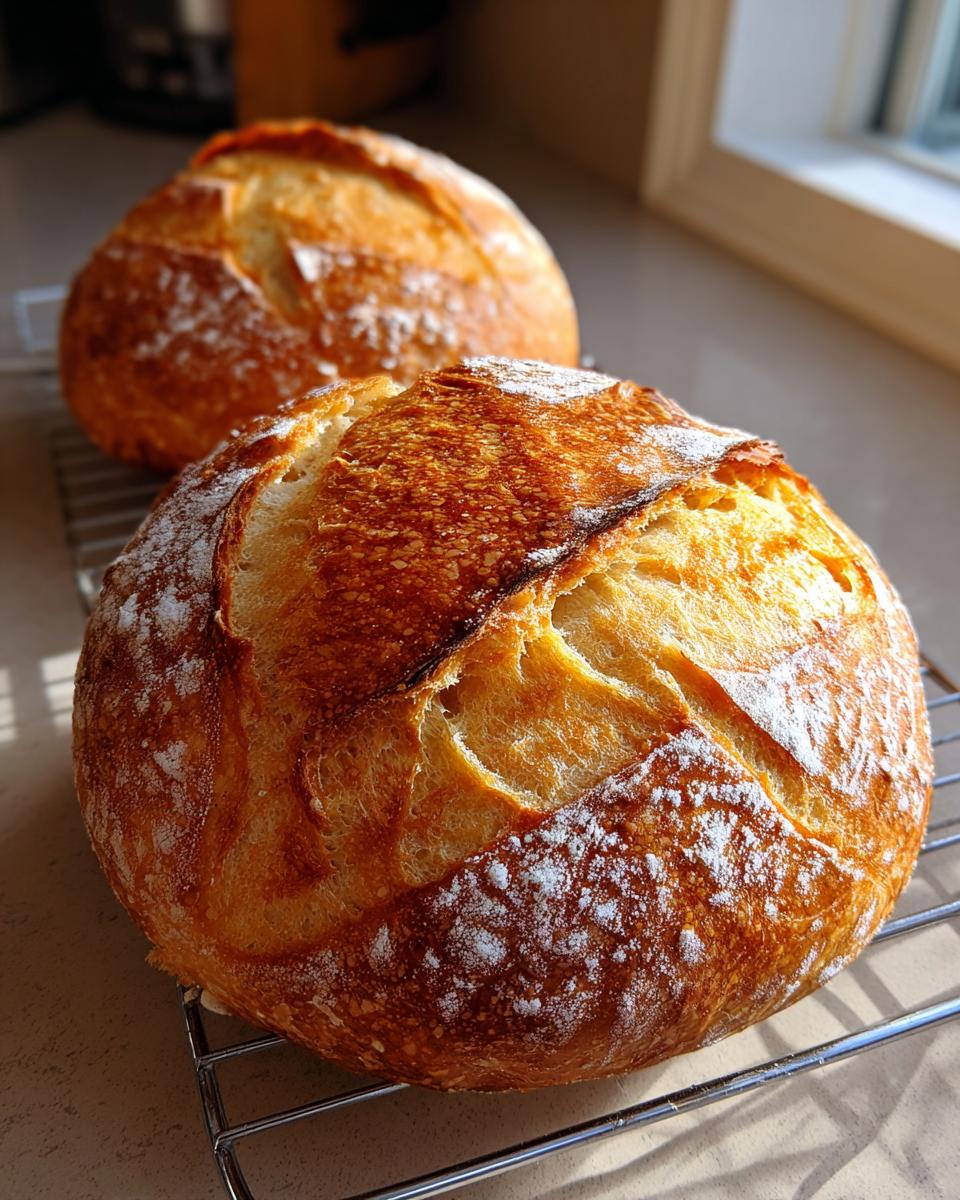
When I first developed this, I had one main goal: take the time commitment out of baking fantastic french bread. You don’t need an overnight slow ferment to get that incredible texture! What you get here are two loaves featuring that heavenly contrast between a hard, crackling shell and a ridiculously soft inside. This method is perfect for those nights when you need something special to go alongside your easy weeknight dinners.
- It’s quick—we’re out of the oven in under two hours, which is just fantastic!
- The ingredients are basic, making this truly an **Easy Bread Recipe**.
- It produces the classic, satisfying ‘shatter’ when you slice through the crust.
Achieving the Perfect Crispy Crust and Fluffy Interior Bread
The secret weapon here, which might sound a little dramatic for an **Easy Bread Recipe**, is steam! We create a little cloud in the oven by pouring hot water into a pan on the bottom rack. This environment keeps the dough surface moist during those critical first 10 minutes of baking. That moisture allows the dough to expand fully before the crust sets, giving you that beautiful oven spring and a thin, brittle crust. That means you get the amazing **Fluffy Interior Bread** texture without waiting all day for the dough to proof!
Gathering Ingredients for Your Homemade French Bread
Honestly, this is the best part about making Homemade French Bread—you probably have everything you need sitting right there in your pantry already! This recipe is designed around staples, so no need for a special grocery run. We’re keeping things incredibly straightforward so you can get baking right away. Remember, precision matters when we’re dealing with yeast, so check those temperatures!
Here’s what you’ll need for two gorgeous loaves:
- 3 cups all-purpose flour (Yes, regular AP works beautifully here!)
- 1 teaspoon salt, don’t skip this; it gives the bread flavor!
- 1 packet (2 1/4 teaspoons) active dry yeast
- 1 1/2 cups warm water – and I mean *warm*, check it with a thermometer, aim for 105-115°F. Too cold and the yeast sleeps, too hot and it dies!
- 1 tablespoon granulated sugar (This is breakfast for the yeast, helping it wake up.)
- 1 egg white, beaten with 1 teaspoon of water (This is our secret for that gorgeous, shiny finish.)
See? Super simple. Getting your simple yeast bread ingredients ready first just makes the whole process flow so much smoother, trust me on that one!
Step-by-Step Instructions to Make Quick french bread
Alright, let’s get our hands dusty! This process for making that amazing, quick french bread flies by, especially since we only have one main rise. Remember, baking is all about timing, so have your tools ready before we start mixing. We’re going for a rustic, bakery-style loaf that doesn’t fight you every step of the way. This quick timing is perfect when you’re planning your easy weeknight dinners!
Activating Yeast and Mixing the Dough for Simple Yeast Bread
First things first: make sure your yeast is happy. Take your warm water—it should feel just warm, not hot, against your wrist—and stir in that tablespoon of sugar. Sprinkle the yeast right over the top. We need to wait about 5 to 10 minutes. If you see a nice foamy layer form, fantastic! You’ve got lively yeast ready for action. If nothing happens, your water was likely too hot or the yeast is old, and unfortunately, we have to toss it and start over. Don’t skip this check!
Once foamy, toss in your flour and salt. Mix it all up with a sturdy wooden spoon until it looks shaggy. It won’t look smooth yet, and that’s okay. We’re just hydrating the flour right now for this **Simple Yeast Bread**.
Kneading and the First Rise for Your Homemade Loaf
Now for the fun part—the kneading! Turn that shaggy mess out onto a lightly floured counter. Work that dough for a solid 5 to 7 minutes. You’re looking for an transformation where it goes from rough to smooth and elastic. When it’s ready, it should feel slightly tacky when you press it with your finger, but it shouldn’t leave a big sticky mess behind. That’s how you know you’ve developed the structure for a great **Homemade Loaf**.
Lightly oil a clean bowl, pop the dough in, and turn it over once to coat the top. Cover it up securely with plastic wrap or a damp towel. Find a nice warm spot in your kitchen and leave it alone for 60 to 75 minutes. We need it to double in size; that’s the end of our first rise!
Shaping and Preparing for the Final Bake of Your french bread
Once doubled, give the dough a gentle punch right in the middle—that lets the gas escape. Divide that beautiful dough into two equal pieces. Now, take your time shaping them into those classic long, narrow loaves, about 12 to 14 inches long. You want to roll them tightly to keep that structure firm; that helps prevent collapsing!
Place your shaped loaves on a baking sheet lined with parchment paper. Cover them loosely again—we need a quick final rest, just 20 minutes. While they rest, crank your oven up to 400°F (200°C). This is crucial: put a shallow, sturdy pan on the bottom rack now so it can get searing hot.
Mix that beaten egg white with the teaspoon of water and brush it lightly over the tops of your loaves. Then, grab a super sharp knife—a razor blade works best—and make three quick, decisive diagonal cuts across the top of each loaf. These are your vents; they control where the bread expands for that gorgeous final look!
Baking Secrets for Crusty Bread: Steam is Key
Time to bake for that **Crusty Bread** texture! Carefully open the hot oven and pour about 1 cup of very hot water into that screaming hot pan you placed underneath. Work quickly and shut the door immediately to trap that steam inside. That steam is what keeps the exterior soft enough so the loaf can grow huge before the crust hardens. This technique is what sets apart a homemade loaf from one that looks pale and sad!
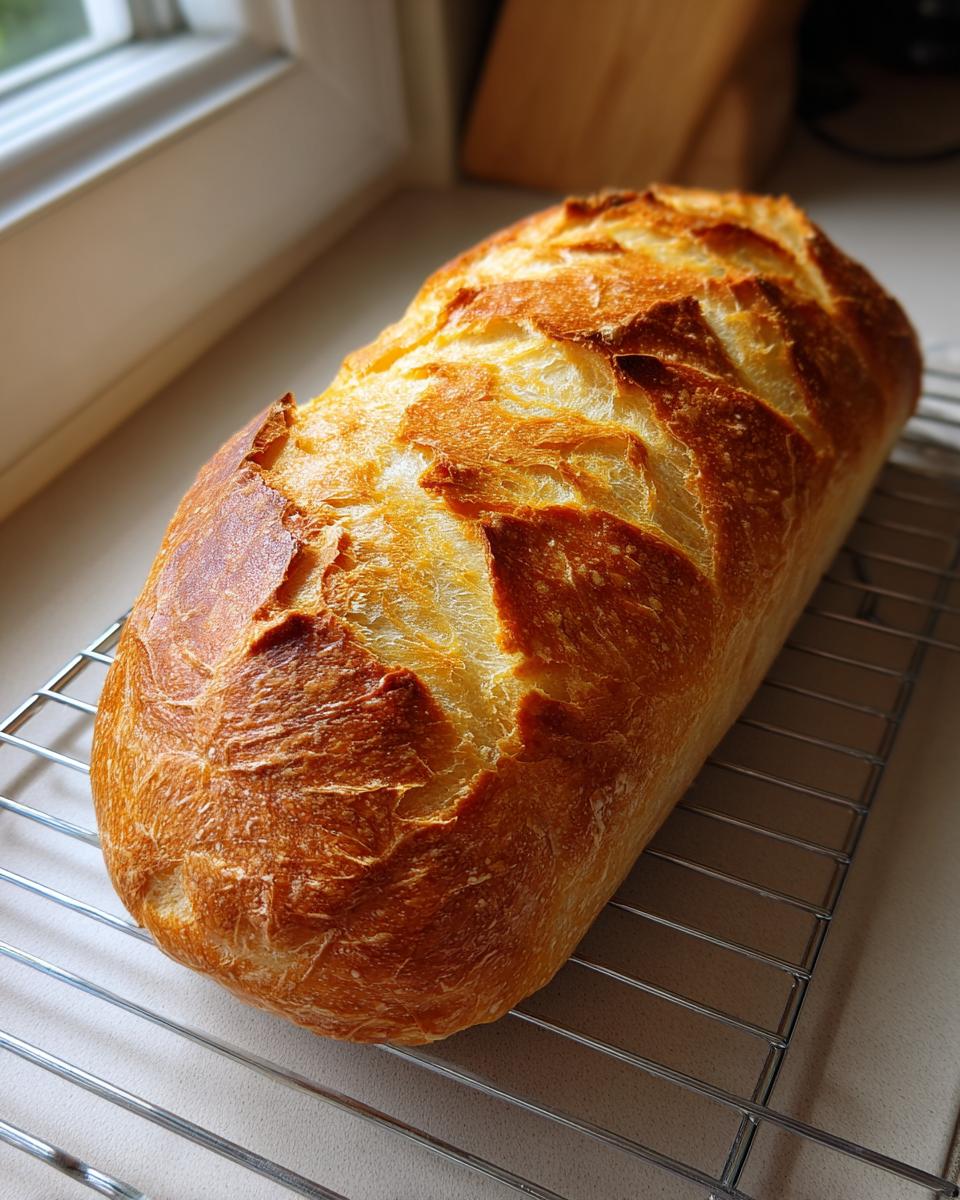
Bake for 25 to 30 minutes. I always pull out my instant-read thermometer to check for doneness—you want the center of the french bread to hit 200°F (93°C). If it’s deep golden brown and hits that temp, it’s done! Pull them out and let them cool completely on a wire rack. Don’t even think about slicing it while it’s hot; you’ll ruin that perfect interior fluffiness!
Tips for Success When Making Artisan Bread at Home
Baking **french bread** is mostly science, but with a little bit of that home-cook intuition, you’ll nail that crusty exterior every single time. People often ask me about substitutions, thinking they need specialized flour, but honestly, what we’re using is already wonderful. If you want to experiment later and go for a slightly chewier crumb, go ahead and try substituting about half of the all-purpose flour with bread flour. That extra protein really helps develop structure for a more noticeable chewiness!
My biggest tip isn’t about the flour, though—it’s about the water temperature for the yeast. If you get that wrong, the whole loaf is compromised before you even start kneading. Remember that sweet spot: 105°F to 115°F. If it’s below that, the yeast takes forever to wake up. If it’s above, you’ve scalded your little helpers, and you’ll end up with a dense pancake instead of a beautiful airy loaf you can dip into some of my easy crusty Italian bread recipes!
Ingredient Notes and Substitutions for french bread
For this recipe, I stick to good old all-purpose flour. It gives us the perfect balance of structure for the bake without making the crumb too dense, which is great for a fast **french bread** fix. But for those who want to advance your **Artisan Bread at Home** skills, try swapping out about half the AP flour for bread flour. Bread flour has more protein, which means it develops stronger gluten networks, leading to a more substantial, slightly tougher chew—the kind you get in those beautiful, professional baguettes.
And let’s talk one more time about that water temperature for your yeast activation. This is vital, especially when you are aiming for a **Quick Bread Making** schedule. Cold water means you’ll be waiting forever for that first rise, and I know you want to eat this bread soon! Measuring is so important here; water that feels lukewarm to your hand might still be too cool for the yeast to thrive, so get that cheap little thermometer out. Trust me, checking the temperature is the easiest way to guarantee success for this **Simple Yeast Bread**.
Serving Suggestions for Your Classic French Loaf
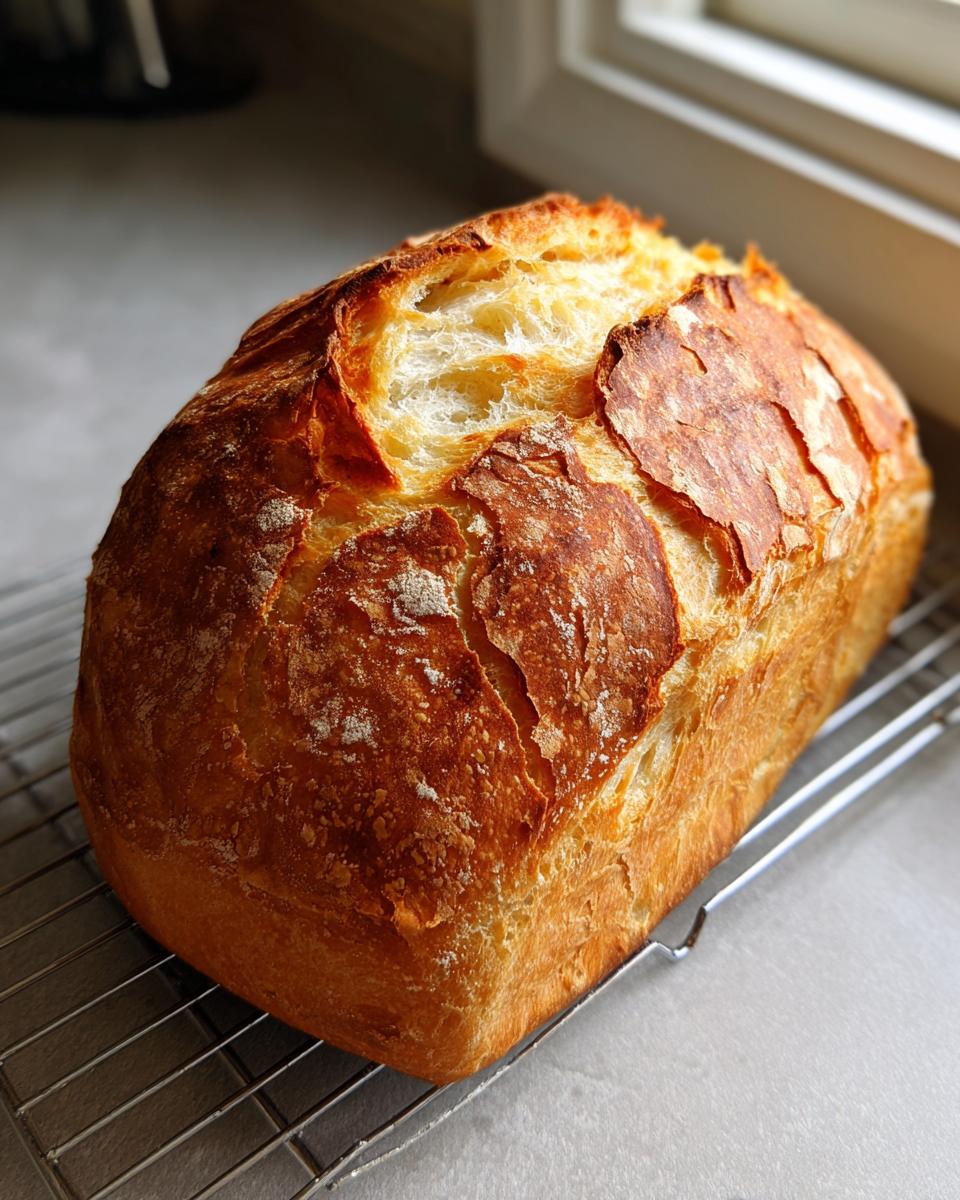
Okay, your **Classic French Loaf** has cooled perfectly, and that crust is singing! What do you do first? My absolute favorite, especially right when it’s still faintly warm, is to just tear off a piece and let it soak up some good quality olive oil with a tiny sprinkle of flaky salt. Divine!
But when you’re ready to make a meal out of it, this bread is the perfect partner for richer dishes. It’s fantastic served alongside a big bowl of my creamy chicken tortilla soup—the crust soaks up the broth beautifully. And if you happen to have some roast chicken left over, you have to try making sandwiches dipped in homemade brown gravy. Trust me, this bread holds up to anything you throw at it!
Storage and Reheating Instructions for french bread
You made two amazing loaves of french bread, so chances are you won’t eat them both immediately! The biggest enemy when storing homemade bread is moisture loss, which turns that gorgeous crust soft and chewy—yuck. If you need to store leftovers, wrap the cooled loaf tightly in aluminum foil or place it in a zip-top bag, but keep it on the counter, not in the fridge. Bread hates the fridge!
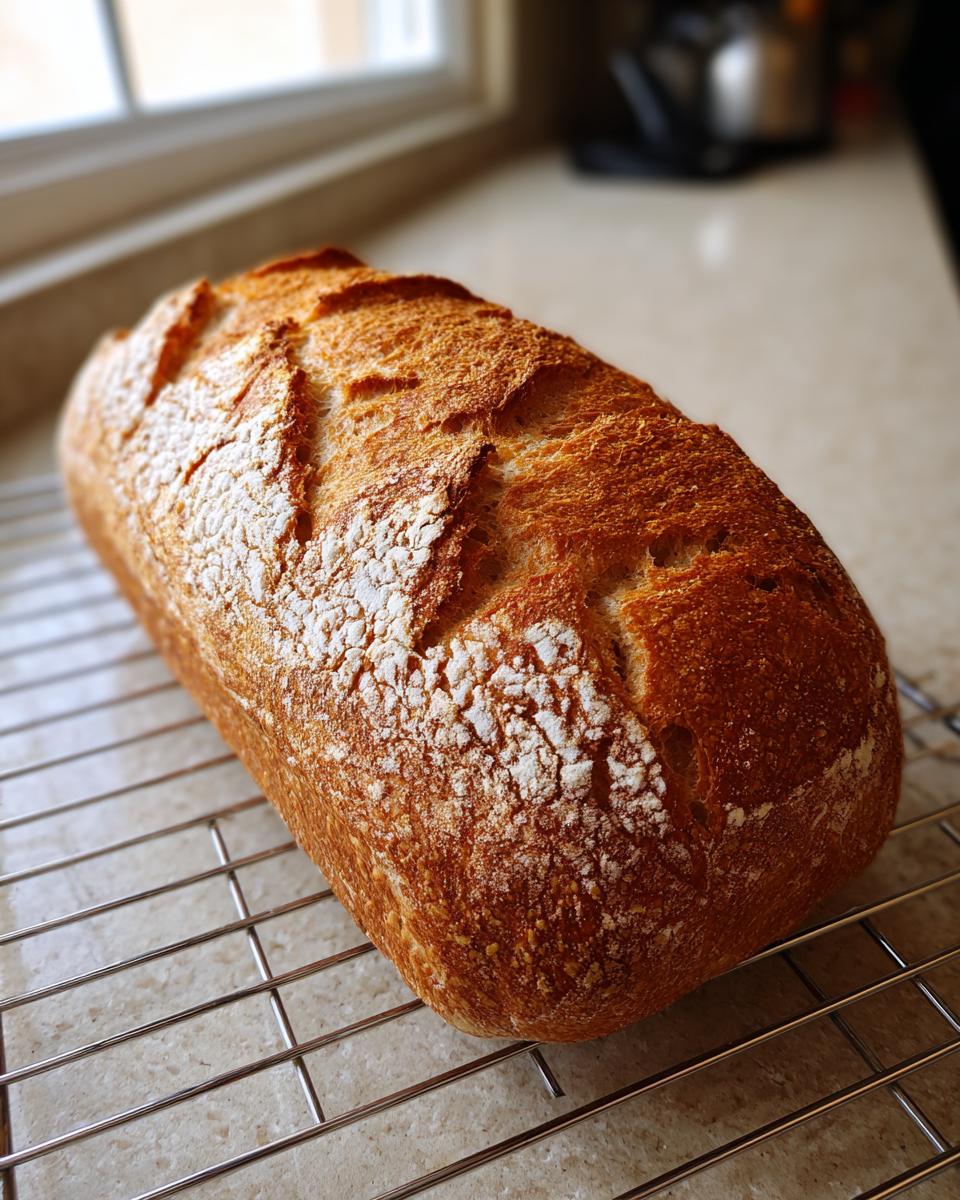
When you’re ready for round two, just unwrap the loaf and pop it right back into a hot 375°F oven for about five minutes. It’s like magic! That quick blast of dry heat reactivates the crispness in the crust while warming up that soft, fluffy interior. You won’t even believe it’s leftover bread!
Frequently Asked Questions About Beginner Bread Baking
I know baking can feel a little mysterious at first, but don’t let that stop you from making this wonderful **french bread**! When I first started, I had a million questions about rise times and crust texture. Since I want everyone to feel confident trying this **Beginner Bread Baking** recipe, I’ve rounded up the most common things folks wonder about. If you can master the yeast activation, you’re already halfway to making a beautiful **Homemade Loaf**!
Can I skip the egg wash on my french bread?
Oh, that’s an easy one! Yes, you absolutely *can* skip it, but I really wouldn’t recommend it if you’re chasing that authentic look. The egg wash—that simple mix of egg white and a splash of water—is what gives this **french bread** that beautiful, deep golden color and that classic shiny, slightly crisp veneer you see in bakeries. If you skip it, your loaves will still taste amazing, but they’ll look a bit more matte, almost like a rustic boule rather than a classic loaf. It’s purely for looks, but gosh, that looks good!
Why is my french bread dough not rising enough?
This is the number one hurdle for every new baker, I promise you! If your dough looks flat after an hour, 99% of the time it’s a temperature issue in the early stages. Did your water kill the yeast? Or was the room just too chilly? Yeast really likes to hang out around 75°F to 85°F, and if your kitchen is drafty or cold, those little guys just go to sleep for the party. You can fix this by turning off the oven, but leaving the light on inside to create a warm little cave for your dough to finish its first rise. Don’t worry if it takes a little longer than 60 minutes if your kitchen is cool; patience is key for any **Beginner Bread Baking** success!
If you feel like you’re still having trouble with yeast, you might want to check out my tips on my ultra-soft milk bread recipe, where I go into detailed troubleshooting on why yeast sometimes decides to be temperamental. Sometimes, it’s just the yeast packet itself, but usually, it’s the environment we provide for it.
Estimated Nutritional Data for Homemade Loaf
Now, because we are dedicated to wholesome, home-made goodness, I wanted to give you a quick snapshot of what’s inside this delicious french bread. Keep in mind these numbers are just estimates! They are calculated based on the ingredients listed in the recipe and the assumption you get two even loaves. If you eat the whole loaf in one sitting (which I totally understand!), these numbers definitely change!
- Serving Size: 1 slice (1/12 loaf)
- Calories: 155
- Sugar: 1.5 grams
- Fat: 0.5 grams
- Protein: 5 grams
- Carbohydrates: 32 grams
This data is just a guideline, naturally. The exact counts will vary depending on the brands of flour and yeast you decide to use for your **Homemade Loaf**.
Share Your Homemade french bread Creations
That’s it! You’ve done it! You’ve conquered the **french bread**! I truly hope pulling those beautiful loaves out of the oven brought you that same surge of joy it brings me every single time. I love hearing from you all because my little corner of the internet, Chefsily, is really about us cooking together and sharing what works!
So please, when you make this **Easy Bread Recipe**, leave a star rating right down below. Tell me how you served it—did you dip it in soup, or perhaps use it for fancy sandwiches? Have a picture of your perfectly scored loaf? I’d absolutely love to see it! You can always tag me when you share it online, or just drop a comment telling me how your creation turned out. We can all learn from each other’s **Homemade French Bread** adventures.
For more ideas on making your family meals joyful and simple, feel free to check out my About page and see what inspired this whole journey! Happy baking, and I can’t wait to see what you whip up next!
PrintEasy Homemade French Bread: Soft, Fluffy & Crusty in Under 2 Hours

Learn the simple steps to make bakery-style French bread at home. This recipe delivers a loaf with a crackly crust and a soft, fluffy interior, ready in less than two hours. It is perfect for beginners and weeknight meals.
- Prep Time: 20 min
- Cook Time: 30 min
- Total Time: 1 hour 50 min
- Yield: 2 loaves 1x
- Category: Baking
- Method: Baking
- Cuisine: French
- Diet: Vegetarian
Ingredients
- 3 cups all-purpose flour
- 1 teaspoon salt
- 1 packet (2 1/4 teaspoons) active dry yeast
- 1 1/2 cups warm water (about 105-115°F)
- 1 tablespoon granulated sugar
- 1 egg white, beaten (for wash)
- 1 teaspoon water (for wash)
Instructions
- In a large bowl, mix the warm water and sugar. Sprinkle the yeast over the top and let it sit for 5 to 10 minutes until foamy. This confirms the yeast is active.
- Add the flour and salt to the yeast mixture. Mix with a wooden spoon until a shaggy dough forms.
- Turn the dough out onto a lightly floured surface. Knead for 5 to 7 minutes until the dough is smooth and elastic. It should be slightly tacky but not sticky.
- Lightly grease a clean bowl with oil. Place the dough in the bowl, turning it once to coat. Cover the bowl with plastic wrap or a clean kitchen towel.
- Let the dough rise in a warm place for 60 to 75 minutes, or until it has doubled in size. This is your first rise.
- Gently punch down the dough to release the air. Divide the dough into two equal pieces.
- Shape each piece into a long, narrow loaf, about 12 to 14 inches long. Place the shaped loaves onto a baking sheet lined with parchment paper.
- Cover the loaves loosely and let them rest for a second rise for 20 minutes. While the dough rests, preheat your oven to 400°F (200°C). Place a shallow pan on the bottom rack to hold water for steam.
- Mix the beaten egg white with 1 teaspoon of water to create an egg wash. Brush the tops of the loaves evenly with the wash.
- Using a sharp knife or razor blade, make three diagonal slashes across the top of each loaf.
- Carefully pour 1 cup of hot water into the shallow pan on the bottom rack to create steam, then quickly close the oven door.
- Bake for 25 to 30 minutes, or until the crust is deep golden brown and the internal temperature reaches 200°F (93°C).
- Remove the loaves from the oven and transfer them to a wire rack to cool completely before slicing.
Notes
- For a crispier crust, place a pizza stone or baking steel in the oven while preheating.
- If you do not have a shallow pan for steam, you can spray the oven walls with water a few times during the first 10 minutes of baking.
- This recipe makes two loaves, perfect for sharing or freezing one for later.
Nutrition
- Serving Size: 1 slice (1/12 loaf)
- Calories: 155
- Sugar: 1.5
- Sodium: 210
- Fat: 0.5
- Saturated Fat: 0.1
- Unsaturated Fat: 0.4
- Trans Fat: 0.0
- Carbohydrates: 32
- Fiber: 1.2
- Protein: 5
- Cholesterol: 0