
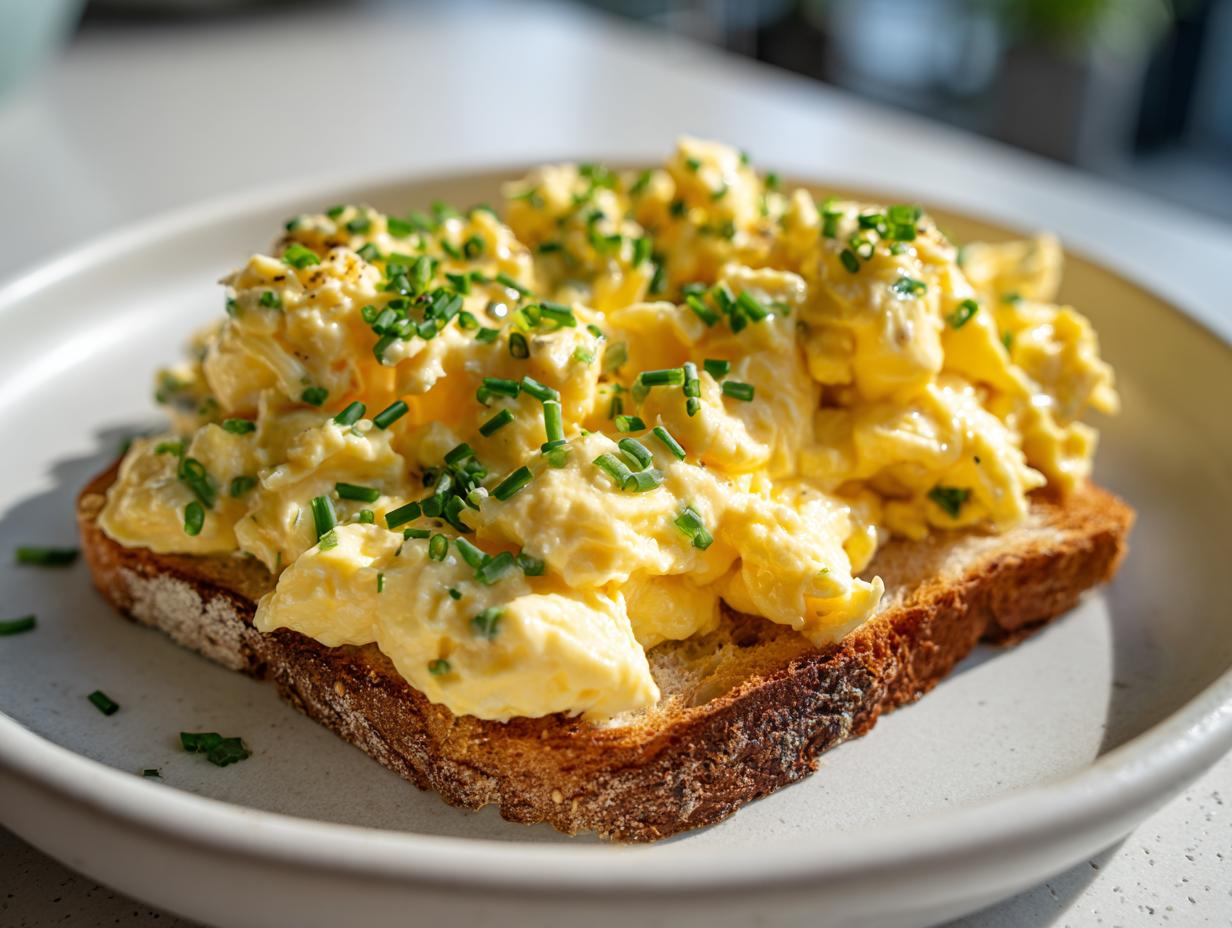
Oh, I know that feeling. You wait all week for a weekend breakfast, you crack those beautiful eggs, and two minutes later, you’re staring at rubbery, dry discs on your plate. It’s the ultimate breakfast letdown! Getting truly brilliant **scrambled eggs**—the kind that look like they came from a five-star hotel—feels impossible sometimes, right?
Well, don’t you worry anymore! I promise you that with just a slight adjustment in patience, we can achieve perfection. Here at Chefsily, founded by me, Isabella Rossi, our goal is to ditch the fuss and deliver restaurant quality right to your table. This isn’t just another fast recipe; this is the foolproof low-and-slow method that guarantees consistently creamy, fluffy results every single time. Learning this technique is almost as important as knowing how to make the best classic French toast. Trust me, mastering these eggs will change your morning game forever.
- Why This Low-and-Slow Method Makes the Best Scrambled Eggs
- Gathering Ingredients for Perfect Scrambled Eggs
- Step-by-Step Instructions for Creamy Soft Scrambled Eggs
- Tips for Success When Making Scrambled Eggs
- Simple Egg Variations for Gourmet Brunch Recipes
- Serving Suggestions for Your Buttery Scrambled Eggs
- Storage and Reheating Instructions for Scrambled Eggs
- Frequently Asked Questions About Perfect Egg Texture
- Nutritional Estimate for These Scrambled Eggs
- Share Your Perfect Egg Creations
Why This Low-and-Slow Method Makes the Best Scrambled Eggs
You know how fast eggs cook? That’s the enemy! When you crank the heat up to medium-high thinking you’ll speed up breakfast, you’re actually just forcing all the water out of the eggs too quickly. This is what gives you those dry, slightly rubbery curds we all hate.
We are taking inspiration from the best chefs out there, but making it simple for your weekday table. This is where the secret to creamy texture really comes into play. By using the low and slow egg technique—think gentle heat and constant attention—we allow the proteins to set slowly and hold onto that delicious creaminess.
Achieving Silky Scrambled Eggs Texture
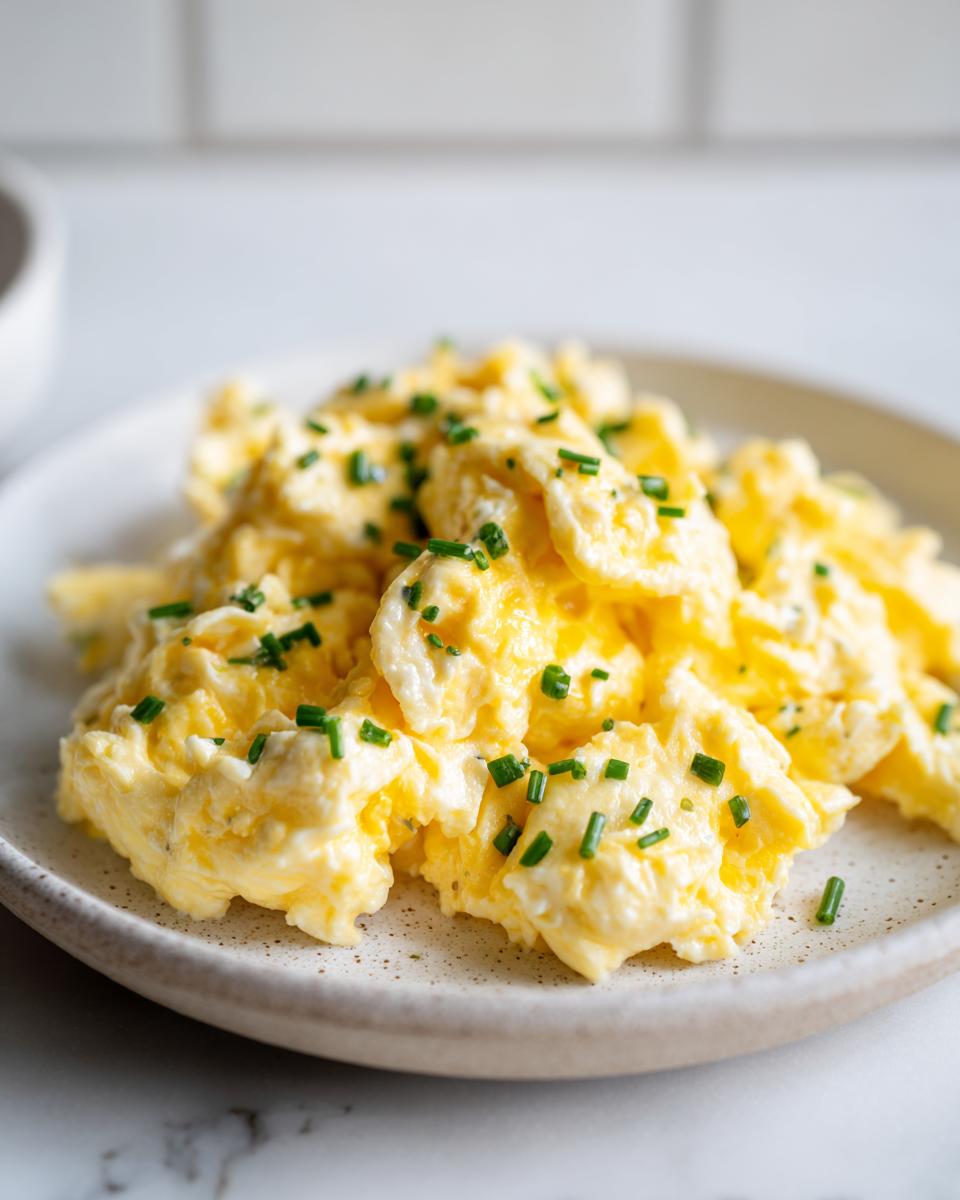
The goal here is velvety, not tough! When you cook your scrambled eggs gently, you encourage the formation of very small, soft curds instead of big, firm chunks. This slow process means the cream and butter we add have time to emulsify, keeping every bite luscious and moist. If you want that silky scrambled eggs result, you just have to commit to never rushing the process. It’s worth the extra two minutes, trust me!
Gathering Ingredients for Perfect Scrambled Eggs
Okay, before we even turn on the stove, let’s talk about what you need. For my two-serving batch of the best scrambled eggs recipe, quality really shines through. Remember, because we’re cooking these slowly, every single ingredient matters! We rely on rich dairy to build that incredible texture.
- 6 large eggs
- 3 tablespoons heavy cream
- 1 tablespoon unsalted butter (Use the good stuff, please!)
- Salt, to taste
- Freshly ground black pepper, to taste
- 1 teaspoon fresh chives, chopped (optional)
Ingredient Notes and Substitutions
The heavy cream isn’t just for show; it’s essential here! The fat helps slow down coagulation, which is how we get those unbelievably soft curds. If you don’t have cream on hand, whole milk is fine, but it won’t be quite as rich. Some folks ask about the cottage cheese eggs recipe trend—and yes, you can fold in a few spoonfuls of cottage cheese right when you take the eggs off the heat for a big protein boost and extra creaminess!
Step-by-Step Instructions for Creamy Soft Scrambled Eggs
This is where the magic happens! While the prep time is only about 5 minutes, you need to dedicate about 8 minutes of focused cooking time for this technique. These scrambled eggs will spoil you for anything else, I guarantee it. We’re moving slowly, pushing constantly, and rewarding ourselves with incredibly soft curds.
The Whisking and Initial Pan Prep for Fluffy Eggs
First, don’t go crazy with the whisk! Just combine your eggs and heavy cream until they’re uniform and a little frothy—over-whisking incorporates too much air too early. Next up, get your skillet over medium-low heat. Add your butter and watch it melt. When it starts foaming gently, that’s your signal; the pan is ready for those beautiful eggs.
Mastering the Low and Slow Cooking of Scrambled Eggs
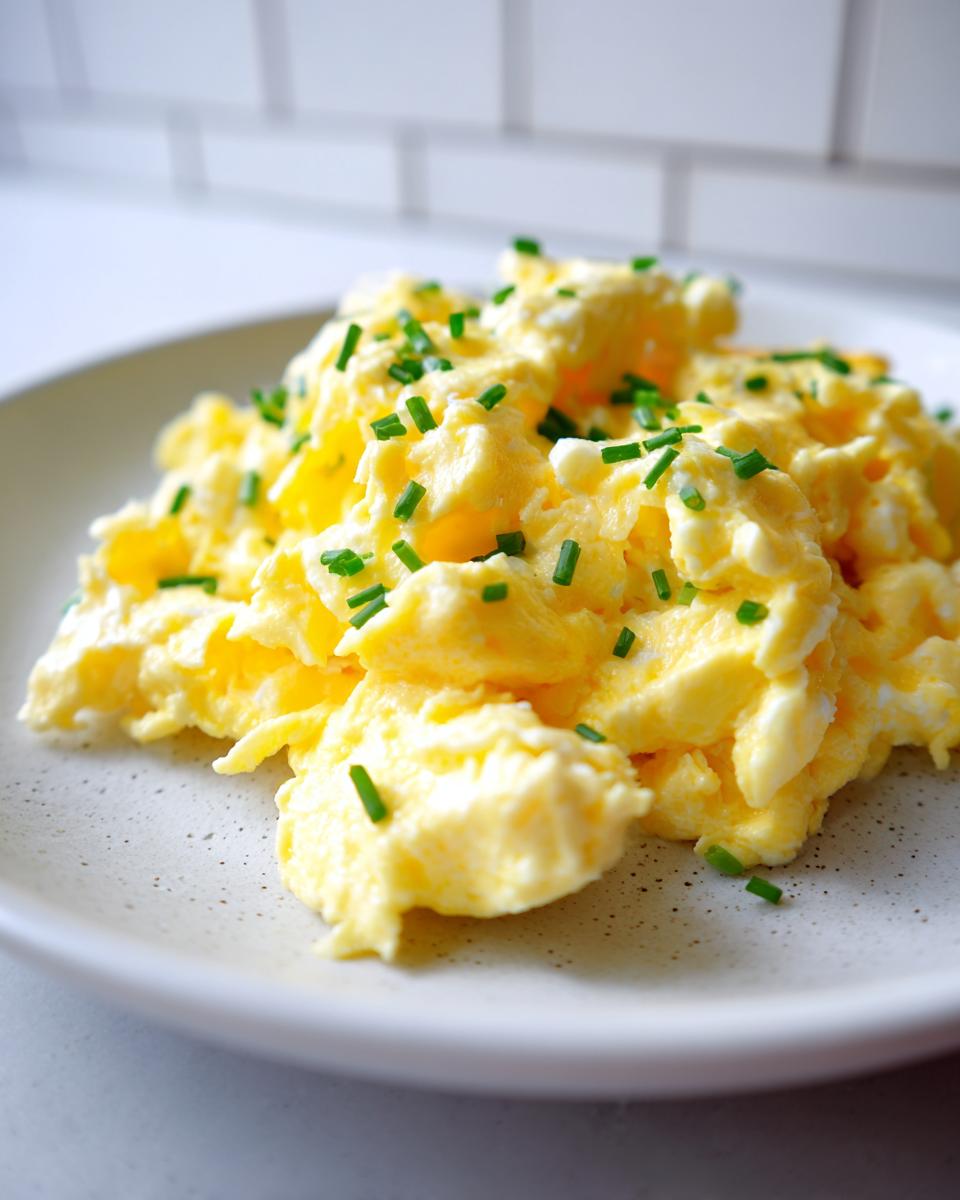
Pour the mixture in and let it sit for just 30 seconds until the edges start to look opaque. Now, take your rubber spatula and gently push the cooked parts toward the center, tilting the pan so the runny egg flows underneath. Keep doing this, rocking and folding every few seconds. This is the secret to those tight, creamy soft scrambled eggs! Cook them until they look glossy and still a tiny bit wet—seriously, pull them off the heat before you think they are done. That residual heat does the rest of the work. You can find more amazing techniques over here, but ours are focused on the home cook, just like my favorite creamy Alfredo sauce always is!
Tips for Success When Making Scrambled Eggs
I want you to build confidence in the kitchen, and that means avoiding the mistakes I made early on! When I first tried making these luxurious **scrambled eggs**, I got impatient halfway through and turned the burner up. Oops! Within seconds, my beautifully soft curds turned into something closer to rubber cement. Never rush that low heat, friends—it’s the difference between gourmet brunch food and disappointment.
A heavy, quality non-stick skillet is absolutely essential; you want friction-free movement for that gentle folding. Also, remember this: these eggs do not wait for you. They must be served the second they come off the heat! If they sit waiting for the coffee or toast, they’ll keep cooking in their own warmth and lose that heavenly silky quality. Serve these creamy dishes immediately or serve them alongside something that’s already waiting, like my simple pear crisp.
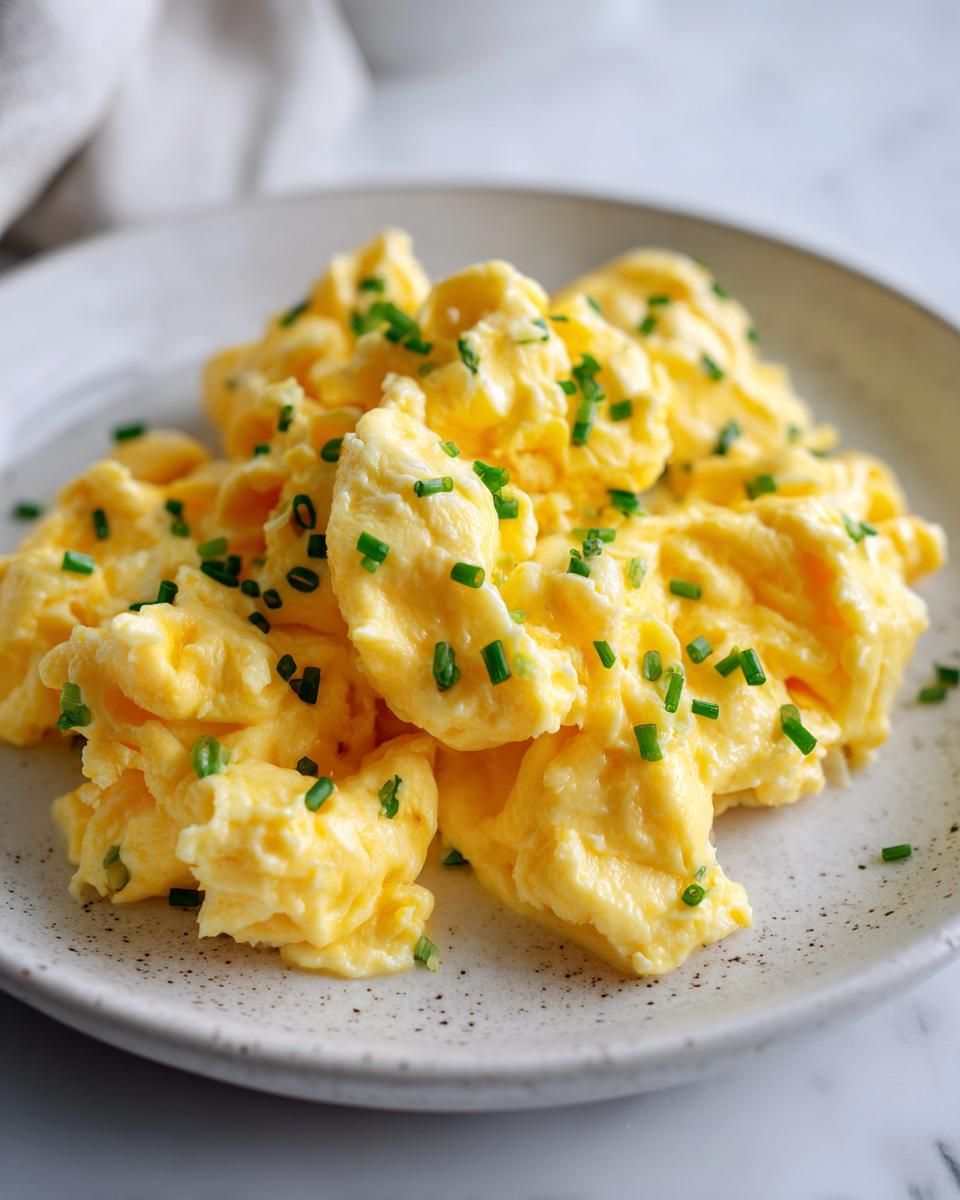
If you’re looking for more inspiration on how to make your mornings amazing, check out this guide on getting truly fluffy scrambled eggs, which echoes the same gentle philosophy we use here.
Simple Egg Variations for Gourmet Brunch Recipes
Once you’ve mastered the creamy base, you can totally dress these up! Turning our perfect **scrambled eggs** into something worthy of a proper weekend gathering is so easy. We aren’t talking about fussy additions here; we’re talking about elevating rich flavor.
For a truly gourmet brunch experience, I love grating some good quality cheese right into the eggs. Gruyère is my favorite because it melts down into just the right liquid pools. A sharp white cheddar also works wonders! If cheese isn’t your thing, throw in some freshly chopped herbs like tarragon or dill right at the end. These little touches turn your simple breakfast into something truly special, similar to the effort I put into my creamy street corn dip.
Serving Suggestions for Your Buttery Scrambled Eggs
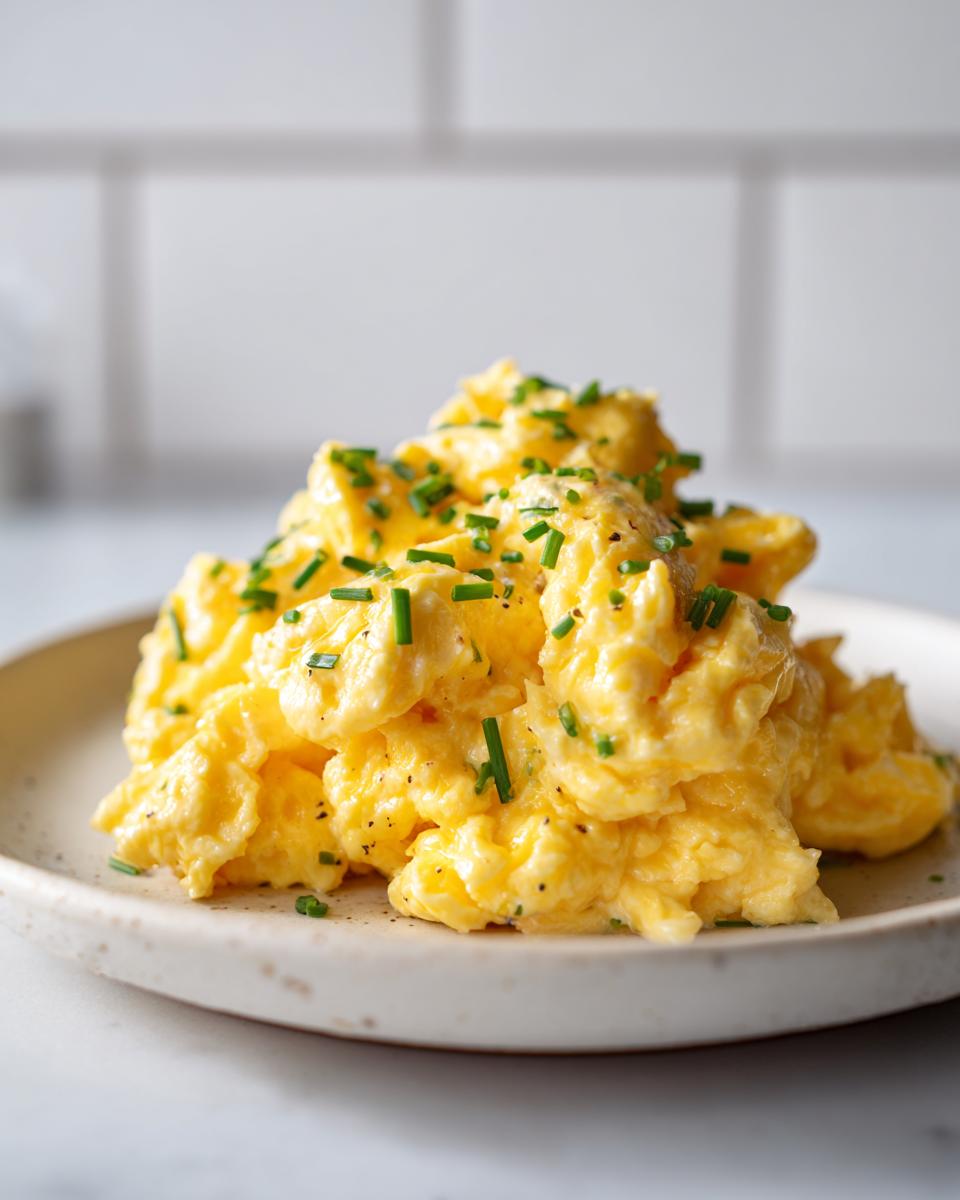
What do you serve alongside eggs this luxurious? You don’t want anything heavy that overpowers that beautiful, soft texture we worked so hard for! My favorite pairing for these buttery scrambled eggs is thick-cut sourdough toast—buttered, of course. The slight sourdough tang is the perfect contrast to the richness of the cream and butter in the eggs.
If you’re leaning into a true weekend brunch vibe, try adding a slice of smoked salmon; the saltiness is divine next to the creamy curds. For a simpler side on a busy morning, a sprinkle of microgreens or some freshly sliced avocado always looks elegant. Or, if you’re feeling ambitious and want to skip store-bought bread, you absolutely have to try my recipe for easy homemade naan bread—it’s incredible for scooping up every last bit!
Storage and Reheating Instructions for Scrambled Eggs
Here is my honest truth: these creamy **scrambled eggs** really prefer to be eaten the second they leave the pan. When you try to reheat them, they almost always tighten up, no matter what you do. So, my advice? Make only what you plan to eat right away!
But, I know life happens! If you absolutely must save some, put them in a sealed container immediately and refrigerate. To reheat, you need low, low heat—think the lowest setting on your stove. Stir in a tiny splash of milk or heavy cream first. This small addition helps reintroduce moisture. Be patient and stir constantly; don’t let them brown! It’s certainly not as good as the fresh batch, but it saves them from the trash. It’s almost as important as knowing the right way to cook chicken scampi with garlic parmesan rice!
Frequently Asked Questions About Perfect Egg Texture
I get so many questions, and that’s fantastic because it means you all are serious about ditching those tough, rubbery results! We want that perfect eatable cloud every time. Here are a few things I hear all the time when people are trying to nail that incredible, silky texture.
Can I use this method to make scrambled eggs in under 5 minutes?
Prep time, yes! You can whisk those yolks up in under five minutes, absolutely. But for these specific **scrambled eggs**, you need to embrace the time commitment of the **low and slow egg technique**. If you rush the cooking part to hit that 5-minute mark, you risk overcooking the eggs and losing the creaminess we fought so hard to create. This is a solid and satisfying 15 minute breakfast, but it’s worth every second of that slow cook!
What is the secret to achieving truly fluffy eggs?
The secret lives in the heat management, my friend. If the heat is too high, the proteins in the eggs seize up immediately and squeeze out all the moisture, leaving you with something dry. To learn how to make fluffy eggs that are light, you must use medium-low heat and be super gentle with your folding. You’re encouraging the curds to grow slowly while incorporating a tiny bit of air through the gentle pushing motion. It’s a delicate dance!
Can I add cheese while making these creamy soft scrambled eggs?
Oh, you bet you can! Adding cheese is one of my favorite simple egg variations. But here’s the trick to keeping them *creamy soft scrambled eggs* and not a greasy mess: Don’t add the cheese while they are on the heat. Wait until you turn the stove off, when the eggs look glossy and slightly wet. Toss in your shredded Gruyère or cheddar right then. The residual heat melts it perfectly into the mixture without causing the cheese fat to separate.
Nutritional Estimate for These Scrambled Eggs
Now, I want to be completely upfront with you all about the numbers here, as I know so many of you are focused on hitting your goals, whether that’s a protein packed breakfast or counting macros. Because every single piece of butter, every egg size, and whether or not you throw in extra cheese or a drizzle of olive oil changes the final tally, the exact calorie and nutrient breakdown can shift wildly.
What I provide on the recipe card is always just a baseline estimate for the core ingredients listed. If you add cheese, use a different type of cream, or swap out our standard butter, those figures won’t be accurate for your plate! So please treat the nutritional breakdown as a general guideline only. If precise tracking is important to you, definitely plug in the specific brands you use! I promise the flavor profile won’t change much, and that’s what really matters in the end!
Share Your Perfect Egg Creations
I genuinely hope this low-and-slow method has finally given you the creamy, fluffy **scrambled eggs** you’ve dreamed of! If you loved this recipe, please come back and rate it five stars—it truly helps other cooks find this foolproof breakfast method. Let me know in the comments below what simple egg variation you tried!
If this guide helped you master your mornings, please share the link with any friends who are still struggling with tough eggs. For more amazing simple recipes, check out my matcha chia pudding recipe! Happy cooking, and enjoy that perfect spoonful!
PrintThe Best Scrambled Eggs: Foolproof Method for Creamy, Fluffy Results
Learn the low-and-slow technique to make the best scrambled eggs that are consistently creamy, soft, and fluffy. This easy breakfast recipe avoids tough texture and delivers gourmet results in minutes.
- Prep Time: 5 min
- Cook Time: 8 min
- Total Time: 13 min
- Yield: 2 servings 1x
- Category: Breakfast
- Method: Stovetop Cooking
- Cuisine: American
- Diet: Vegetarian
Ingredients
- 6 large eggs
- 3 tablespoons heavy cream
- 1 tablespoon unsalted butter
- Salt, to taste
- Freshly ground black pepper, to taste
- 1 teaspoon fresh chives, chopped (optional)
Instructions
- In a medium bowl, whisk the eggs and heavy cream together until the mixture is uniform and slightly frothy. Add a pinch of salt and pepper. Do not over-whisk.
- Place a non-stick skillet over medium-low heat. Add the butter and let it melt completely until it foams slightly.
- Pour the egg mixture into the skillet. Let the eggs sit undisturbed for about 30 seconds until the edges just begin to set.
- Using a heat-resistant rubber spatula, gently push the cooked egg from the edge toward the center, tilting the pan so the uncooked egg flows underneath.
- Continue this low-and-slow pushing and folding motion every few seconds. Keep the heat low to prevent the eggs from cooking too fast.
- When the eggs are mostly set but still look slightly wet and glossy (this is key for creamy texture), remove the pan from the heat immediately. The residual heat will finish the cooking process.
- Stir in the chopped chives, if using. Serve immediately for a perfect protein packed breakfast.
Notes
- For extra rich flavor, use whole milk instead of heavy cream, or add a small knob of cold butter right at the end off the heat.
- If you prefer a slightly firmer curd, cook for one minute longer, but remove from heat before they look completely done.
- This technique works well for making cheesy scrambled eggs; stir in shredded cheddar or Gruyère cheese just before removing the pan from the heat.
Nutrition
- Serving Size: 1 serving
- Calories: 280
- Sugar: 1
- Sodium: 250
- Fat: 22
- Saturated Fat: 12
- Unsaturated Fat: 10
- Trans Fat: 0.5
- Carbohydrates: 2
- Fiber: 0
- Protein: 18
- Cholesterol: 450