

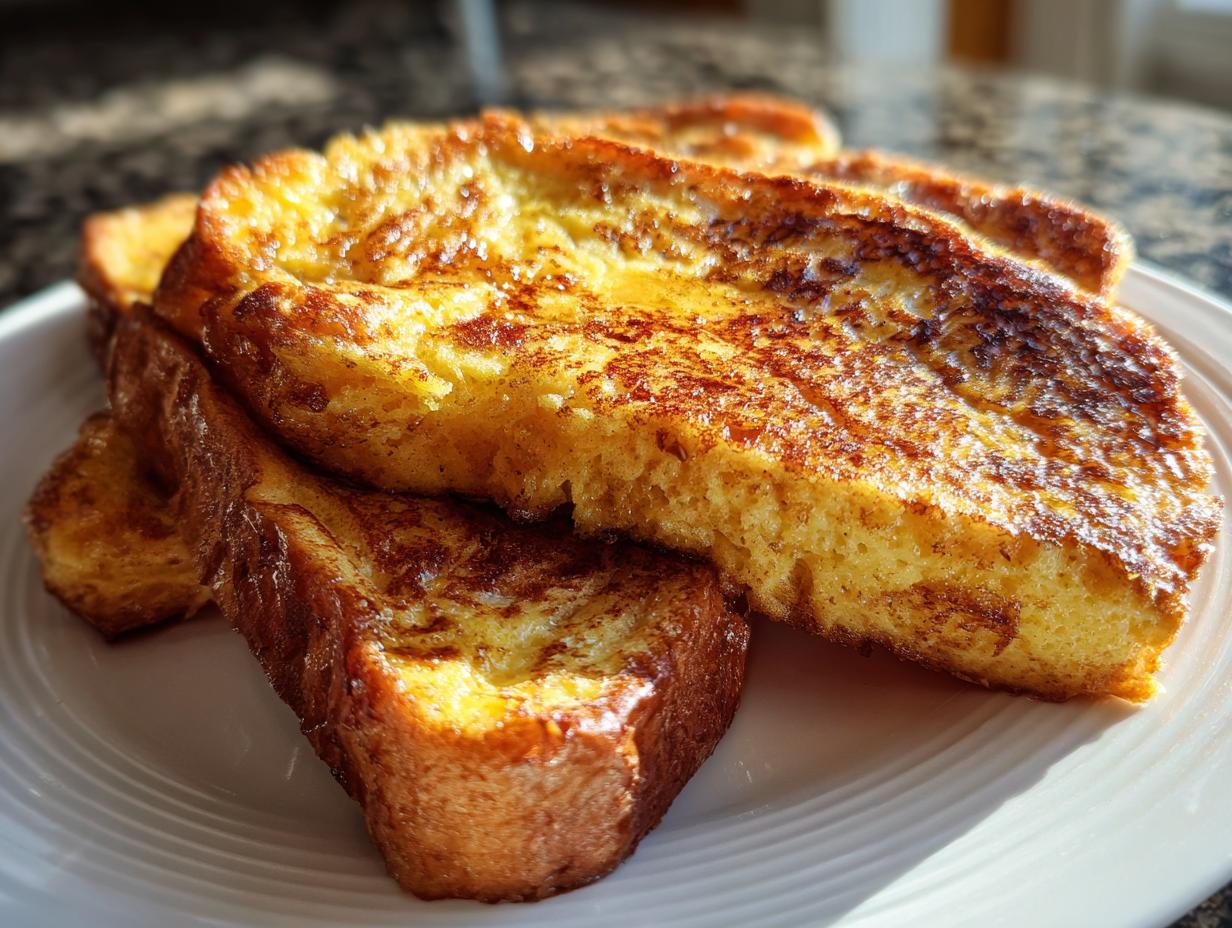
If you’re dreaming of a weekend breakfast that feels special without needing a culinary degree, you’ve come to the right spot. Forget those sad, limp slices you ended up with last time! My goal here is to get you to that perfect bite: buttery, golden, crispy edges that hug a rich, totally custardy center. That’s the secret to truly great french toast, and trust me, it’s achievable every time. I’m Isabella Rossi, and just like my own family history in the kitchen, I believe the best results come from simple, trustworthy techniques. We take the guesswork out so you can focus on enjoying that well-deserved morning off. If you need something quick on a weeknight, check out some of my easy weeknight dinners, but for now, let’s focus on mastering brunch!
- Why This Classic french toast recipe is Your New Weekend Breakfast Staple
- Ingredients for the Best Classic french toast recipe
- How to Prepare Perfect french toast Instructions
- Bread Choice Matters for Great french toast
- Variations on Classic french toast
- Make Ahead & Freezer Tips for french toast
- Serving Suggestions for Your Gourmet breakfast
- Frequently Asked Questions about french toast
- Nutritional Estimates for this french toast
Why This Classic french toast recipe is Your New Weekend Breakfast Staple
If you are tired of French toast that ends up dry on the inside or falls apart when you flip it, this is the recipe you need saved! We rigorously tested this classic French toast recipe to lock down the perfect texture—it’s super reliable and just screams cozy weekend breakfast. It’s honestly one of the best healthy breakfast ideas when done right, but mainly, it’s just purely comforting. Forget complicated steps; this method guarantees a family friendly french toast that everyone will request for your next easy brunch recipes gathering.
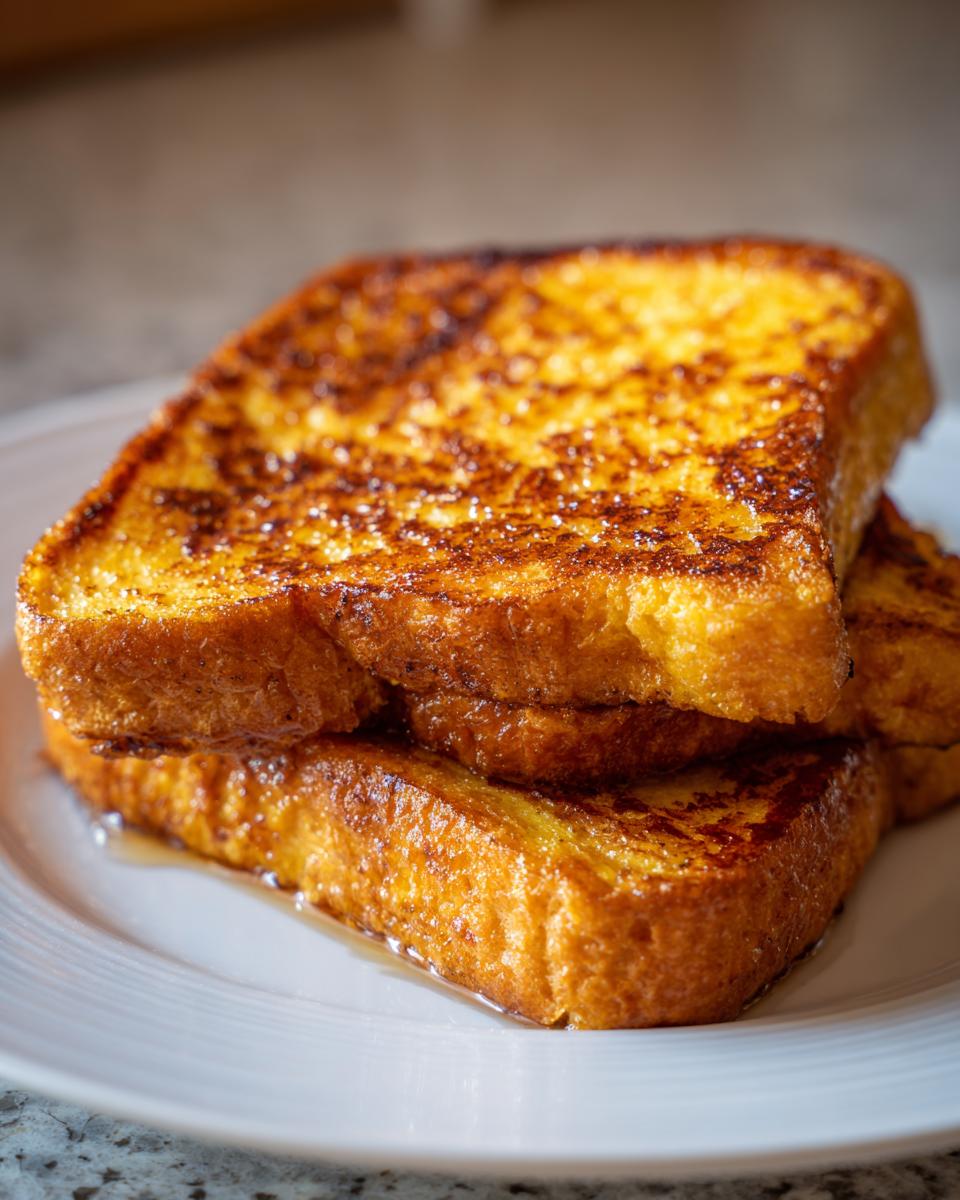
Achieving Custardy french toast centers Every Time
The key to that melt-in-your-mouth interior isn’t just the custard mix; it’s the bread! You need thick slices—we’re talking at least ¾ inch thick. Stale bread is actually your friend here because it can soak up the liquid without dissolving. Give it a solid 30 seconds on each side. This long soak allows the custard to penetrate deeply, making sure you get that beautiful, rich, custardy french toast centers instead of plain, eggy bread.
Tips for Crispy french toast edges
If you want those satisfying, crunchy edges, you have to pay attention to your fat choice. Butter is essential for flavor, of course, but it burns easily. That’s where my top tip comes in: use half butter and half neutral oil. The oil keeps the butter from scorching, letting the heat hover just right. This is one of the best french toast tips for achieving that golden, crispy finish without burning!
Ingredients for the Best Classic french toast recipe
When I list things out, I want you to feel confident that you have everything you need right there on the counter. Having your ingredients ready is half the battle won, honestly! For the absolute best pan-fried French toast, simplicity is key, but the quality shines through.
Here is exactly what you’ll need for four generous servings. We are sticking to the basics here, but these basics really deliver that luxurious texture we are aiming for. Make sure you grab those thick slices of bread—that’s non-negotiable!
- 8 thick slices of bread (Challah or Brioche recommended!)
- 4 large eggs
- 1/2 cup whole milk or half-and-half
- 1 teaspoon vanilla extract
- 1/2 teaspoon ground cinnamon
- 1 tablespoon granulated sugar
- Pinch of salt
- 2 tablespoons butter, for cooking
How to Prepare Perfect french toast Instructions
Okay, let’s get these yolks and milk married up! This is where the magic starts, and keeping it simple makes all the difference. This whole process moves really quickly once you have your skillet hot, so have everything ready to go. When I first learned this soaking trick, it changed my french toast game forever—it truly moves it from stiff bread to that heavenly custardy slice.
- Prepare the custard mixture: In a shallow dish, whisk together the eggs, milk, vanilla extract, cinnamon, sugar, and salt until fully combined. Don’t rush this part; you want everything totally smooth before the bread goes in.
- Soak the bread: Dip each slice of bread into the egg mixture, ensuring both sides are coated well. Let the bread soak for about 30 seconds per side for that custardy center. If you’re using regular, softer sandwich bread, watch it closely so it doesn’t get too floppy!
- Heat the skillet: Place a large nonstick skillet or griddle over medium heat. Add half of the butter and let it melt until it foams slightly.
- Cook the toast: Carefully place the soaked bread slices onto the hot skillet, making sure they don’t overlap. Cook for 3 to 4 minutes per side until gloriously golden brown and cooked through. If the outside browns way too fast, turn that heat down!
- Keep warm: Transfer the cooked french toast to a wire rack set over a baking sheet and keep them warm in a low oven (around 200°F) while you finish up the rest.
- Serve immediately with your favorite toppings like maple syrup and fresh berries. If you need more dinner ideas while you’re planning, I have some simple lunch recipes you might enjoy later! For even more advanced tips on a perfect golden crust, check out this guide for the best french toast recipe inspiration.
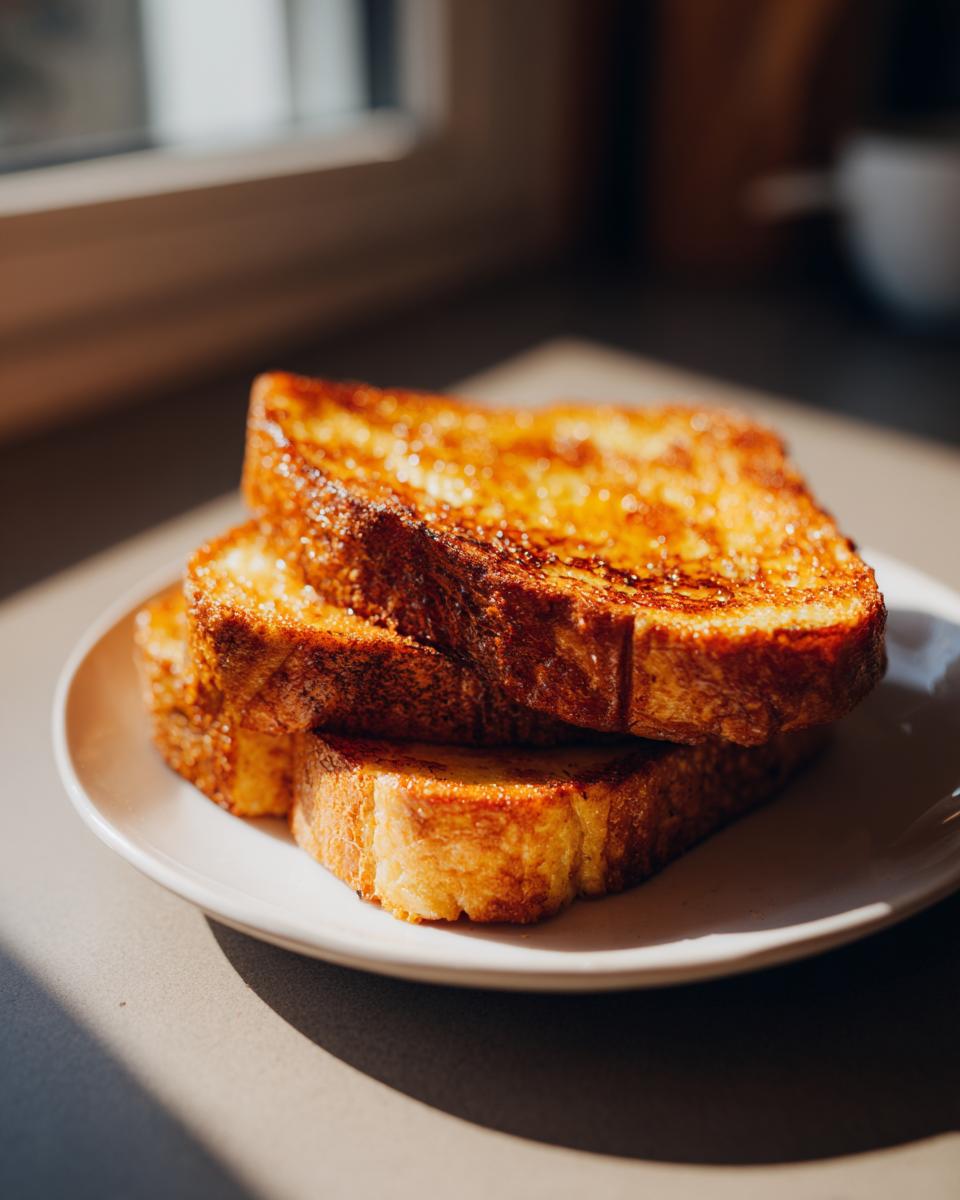
Making the Custard Base for Fluffy french toast
Listen up, this is super easy, but you have to do it right! Grab a shallow dish—that makes dipping so much cleaner. Just crack in your four eggs. Then pour in your half cup of milk or half-and-half. You want to whisk these together until they are totally one color, no streaks of white egg anywhere. Now, add your flavorings: that cinnamon, sugar for just a touch of sweetness, vanilla, and a tiny pinch of salt to wake everything up. Whisk until it’s perfectly uniform. That’s it!
The Cooking Technique for Golden french toast
We are aiming for perfection here, not burnt bottoms! Get your skillet or griddle heating up nicely over that medium heat. I always use butter because the flavor is unbeatable, but butter melts fast, that’s why we mix it with a little oil—that helps stabilize the heat. Let that butter melt until it just starts foamy. Then lay down your soaked bread in a single layer. We are cooking these low and slow so the center cooks through before the outside turns black. Remember, if it’s sizzling aggressively right away, your heat is too high! Keep that heat steady around medium to hit that beautiful golden color every time.
Bread Choice Matters for Great french toast
Okay, if you try to make this amazing recipe with flimsy, thin, store-brand white bread, you are playing with fire! You won’t get that fabulous texture we’re aiming for. This is a crucial technical point, so listen up! We need bread that can handle a serious soak without immediately turning into mush. That’s why I always push for Challah or Brioche. They are richer bread, made with way more egg and fat, which lends itself beautifully to that custardy interior.
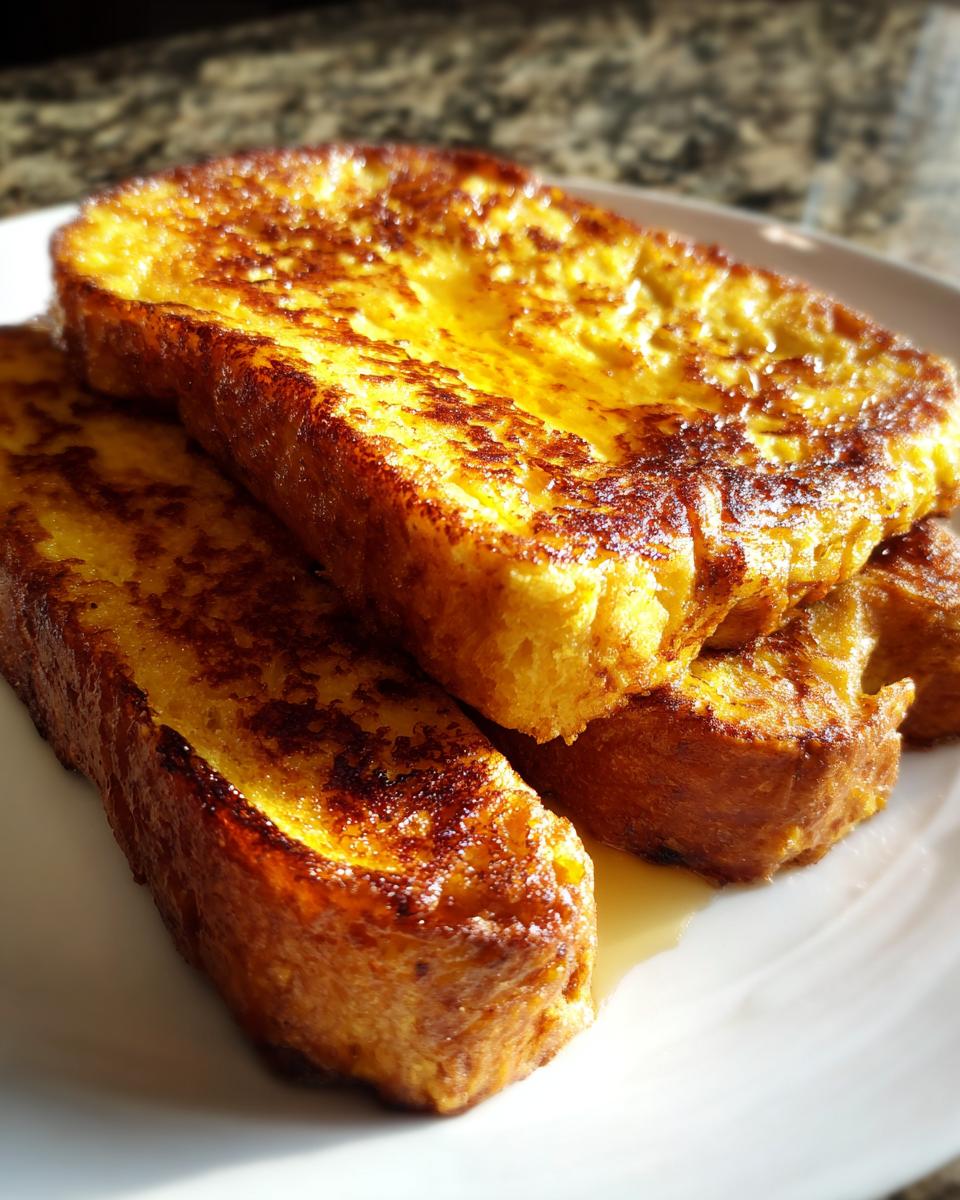
Honestly, the best bread choice is bread that’s a day or two old. Slightly stale bread is perfect because it actually wants to absorb that egg mixture; it doesn’t just get soggy right away. I know you can find great loaves for making brioche french toast anywhere now, and it’s worth the upgrade!
Variations on Classic french toast
I know we nailed the classic, but sometimes you want to turn Sunday morning into a *major* event! Mixing things up is so easy with this base recipe. Want more warmth? Just double the cinnamon in the custard and maybe dust everything with a touch of nutmeg before serving for an amazing cinnamon french toast vibe. A little zest from an orange added to the milk brightens it right up, too! Don’t be afraid to play around a little bit.
Ideas for Stuffed french toast
If you want to really impress, you have to try stuffing them! The absolute showstopper is the cream cheese stuffed french toast. You just assemble two bread slices sandwich style with a thin layer of sweetened cream cheese in the middle before you dip it. It creates this warm, decadent ooze when you cut into it. It turns a simple breakfast into a real showstopper for your weekend breakfast ideas.
Make Ahead & Freezer Tips for french toast
Don’t think for a second that fantastic French toast has to take up your entire Saturday morning! If you plan ahead, you can have maximum flavor with minimal morning effort. This moves us right into the realm of make ahead french toast territory, which is a lifesaver when you have company.
For a true hands-off morning, you can turn this into an overnight french toast bake; just assemble everything the night before in a casserole dish, cover it, and stick it in the fridge. Pull it out about 30 minutes before you want to bake it! If you just want a few quick slices ready during the week, cook a big batch, let them cool completely, and freeze them in a single layer on a baking sheet before moving them to a freezer bag. They reheat beautifully in the toaster!
Serving Suggestions for Your Gourmet breakfast
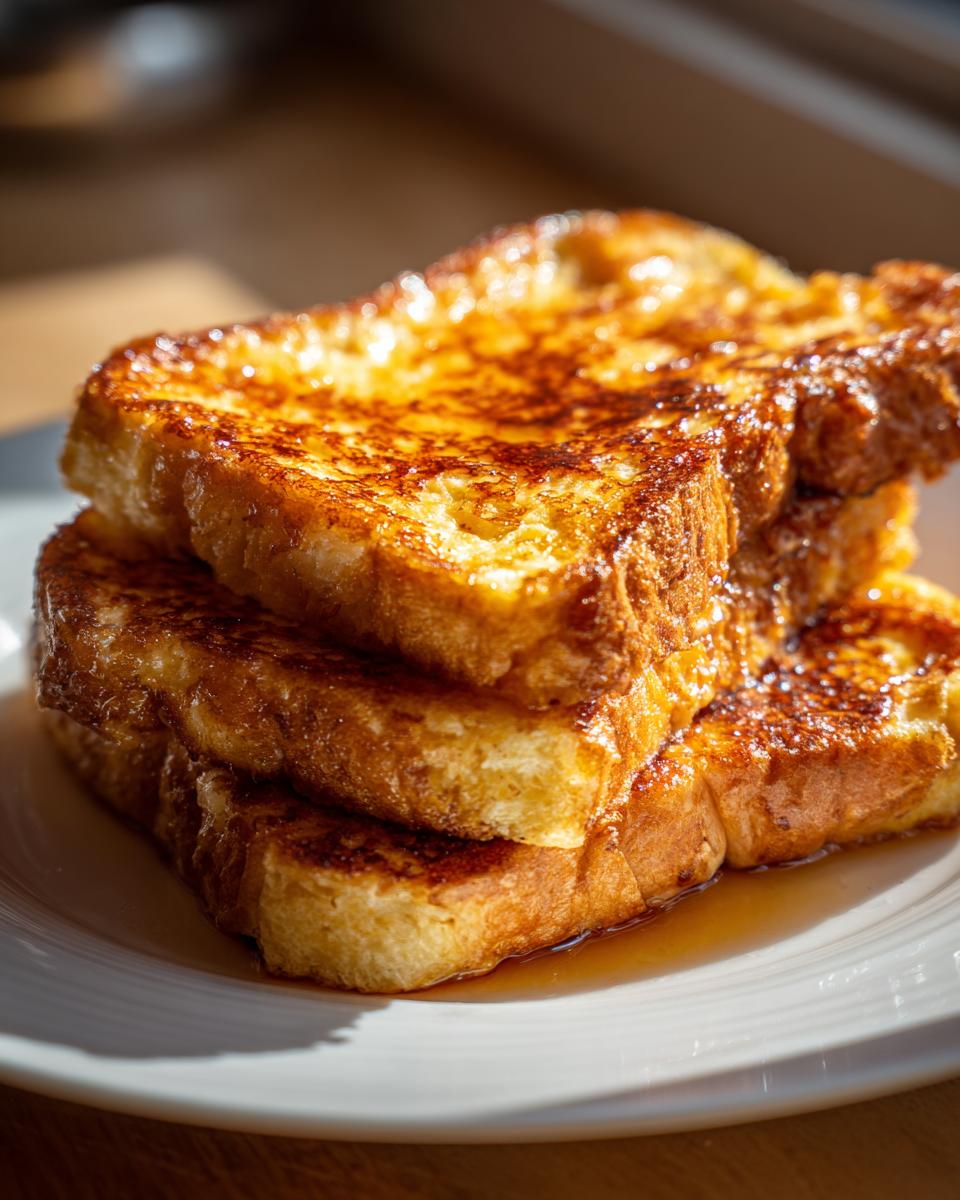
You did the hard work! You nailed that perfect balance of crisp exterior and soft, custardy interior. Now for the fun part: the toppings! What you serve this with can either keep it a simple pleasure or bump it right up to that gourmet breakfast status. Maple syrup, of course, is non-negotiable, but don’t just grab any old bottle.
Always go for the real stuff—the darker, richer grades have such a better depth of flavor that really complements the cinnamon in the batter. My kids love it when I lightly dust the warm slices with powdered sugar first; it melts just slightly and looks so pretty.
For a burst of freshness, nothing beats seasonal berries. Strawberries, blueberries, raspberries—toss them with just a tiny squeeze of lemon juice and a pinch of sugar right before serving. If you want something truly special, try making a quick batch of homemade jam, like my blueberry jam recipe, and spoon a thick dollop over the top. A dollop of slightly sweetened whipped cream or crème fraîche also makes this feel like a five-star brunch experience!
Frequently Asked Questions about french toast
I get so many questions about how to take this recipe from good to absolutely unforgettable! It’s funny how small details can make such a big difference when you are aiming for that perfect crispy-custardy ratio. Don’t stress if you run into a wobble; most issues are easy to fix with a little tweak in technique, and I’m happy to share what I’ve learned.
Can I use regular sandwich bread for french toast?
Oh, you totally can! If you need a super quick breakfast idea and only have standard sliced white bread, go for it. But here’s the big difference: you must reduce the soaking time dramatically. That thin bread soaks up liquid almost instantly, so just a quick 10 or 15 seconds per side is all you need. If you leave it longer, you’ll end up digging soggy bread out of your skillet later, and nobody wants that messy situation!
How do I stop my french toast from getting soggy?
Sogginess usually boils down to two things we talked about. First, make sure you are using thick slices—sturdy bread is key for this recipe. Second, your pan needs to be hot enough before that bread hits the surface! If the pan is too cool, the bread will just sit there absorbing the fat and the custard without browning, leading to a limp, doughy texture. Keep that heat at a steady medium so you get that immediate sizzle and that beautiful golden color!
Can I make an overnight french toast bake instead?
That’s a great question! If you’re looking for a true make ahead french toast solution, the overnight bake (or casserole) is fantastic because you prep everything and wake up to a ready-to-bake dish. This specific recipe, though, is designed for the classic pan-fried method. That’s how we guarantee those distinct, perfectly buttery, crispy french toast edges you can’t quite get doing it all in one big pan in the oven. Both methods are delicious, but this one gives you more control over each individual slice!
Nutritional Estimates for this french toast
I always try to give you folks a ballpark idea of what you’re eating, especially when we are talking about weekend treats! Remember, this nutrition breakdown is just an estimate, and what you see here is based on using the standard ingredients listed—if you decide to trade whole milk for cream or add a huge pile of chocolate chips, those numbers are going to jump up!
We are really proud that we can still get 12 grams of protein into our servings, which helps keep things balanced even when we are enjoying a rich breakfast with maple syrup. Knowing what’s in your food helps you plan the rest of your day, so feel free to check out some of my protein ice cream recipes for delicious ways to boost your macros later!
Here are the estimates per serving size (2 slices of french toast):
- Serving Size: 2 slices
- Calories: 320
- Fat: 14g
- Carbohydrates: 38g
- Protein: 12g
- Sugar: 12g
- Sodium: 350mg
We keep the saturated fat reasonable by not going overboard on the butter while cooking, but you are still getting that richness you expect from a homemade classic. Enjoy every bite!
PrintThe Absolute Best Classic French Toast Recipe

Follow these foolproof steps to make the best French toast you will ever eat, featuring crispy edges and a rich, custardy center. This recipe is perfect for an easy weekend breakfast or impressive brunch.
- Prep Time: 10 min
- Cook Time: 15 min
- Total Time: 25 min
- Yield: 4 servings 1x
- Category: Breakfast
- Method: Pan Frying
- Cuisine: American
- Diet: Vegetarian
Ingredients
- 8 thick slices of bread (Challah or Brioche recommended)
- 4 large eggs
- 1/2 cup whole milk or half-and-half
- 1 teaspoon vanilla extract
- 1/2 teaspoon ground cinnamon
- 1 tablespoon granulated sugar
- Pinch of salt
- 2 tablespoons butter, for cooking
Instructions
- Prepare the custard mixture: In a shallow dish, whisk together the eggs, milk, vanilla extract, cinnamon, sugar, and salt until fully combined.
- Soak the bread: Dip each slice of bread into the egg mixture, ensuring both sides are coated. Let the bread soak for about 30 seconds per side for a custardy center. Do not let it soak too long if using standard sandwich bread.
- Heat the skillet: Place a large nonstick skillet or griddle over medium heat. Add half of the butter and let it melt until it foams slightly.
- Cook the toast: Place the soaked bread slices onto the hot skillet, ensuring they do not overlap. Cook for 3 to 4 minutes per side until golden brown and cooked through. Adjust the heat if the outside browns too quickly before the center warms.
- Keep warm: Transfer the cooked French toast to a wire rack set over a baking sheet and keep warm in a low oven (around 200°F) while you cook the remaining slices.
- Serve immediately with your favorite toppings like maple syrup and fresh berries.
Notes
- For the best texture, use slightly stale bread. This allows the bread to absorb more custard without falling apart.
- If you want extra crispy edges, use a mix of butter and a small amount of neutral oil in the pan.
- For a gourmet breakfast feel, dust with powdered sugar before serving.
Nutrition
- Serving Size: 2 slices
- Calories: 320
- Sugar: 12
- Sodium: 350
- Fat: 14
- Saturated Fat: 7
- Unsaturated Fat: 7
- Trans Fat: 0
- Carbohydrates: 38
- Fiber: 2
- Protein: 12
- Cholesterol: 150